Table of Contents
Moroccan Culture: A Tapestry of Influences
Moroccan culture is a vibrant mosaic, shaped by centuries of interactions between indigenous Berber populations, Arab conquerors, Andalusian refugees, and various European and African influences [1]. This rich historical interplay has resulted in a unique cultural identity that is evident in every aspect of Moroccan life, from its language and religion to its art, architecture, and social customs.
At its core, Moroccan culture is deeply rooted in Islam, which serves as the official religion and profoundly influences daily life, traditions, and social norms. The call to prayer echoes through cities and towns five times a day, and religious festivals like Eid al-Fitr and Eid al-Adha are celebrated with great fervor. However, Morocco is also known for its religious tolerance, with a long history of coexistence between Muslims, Jews, and Christians [5].
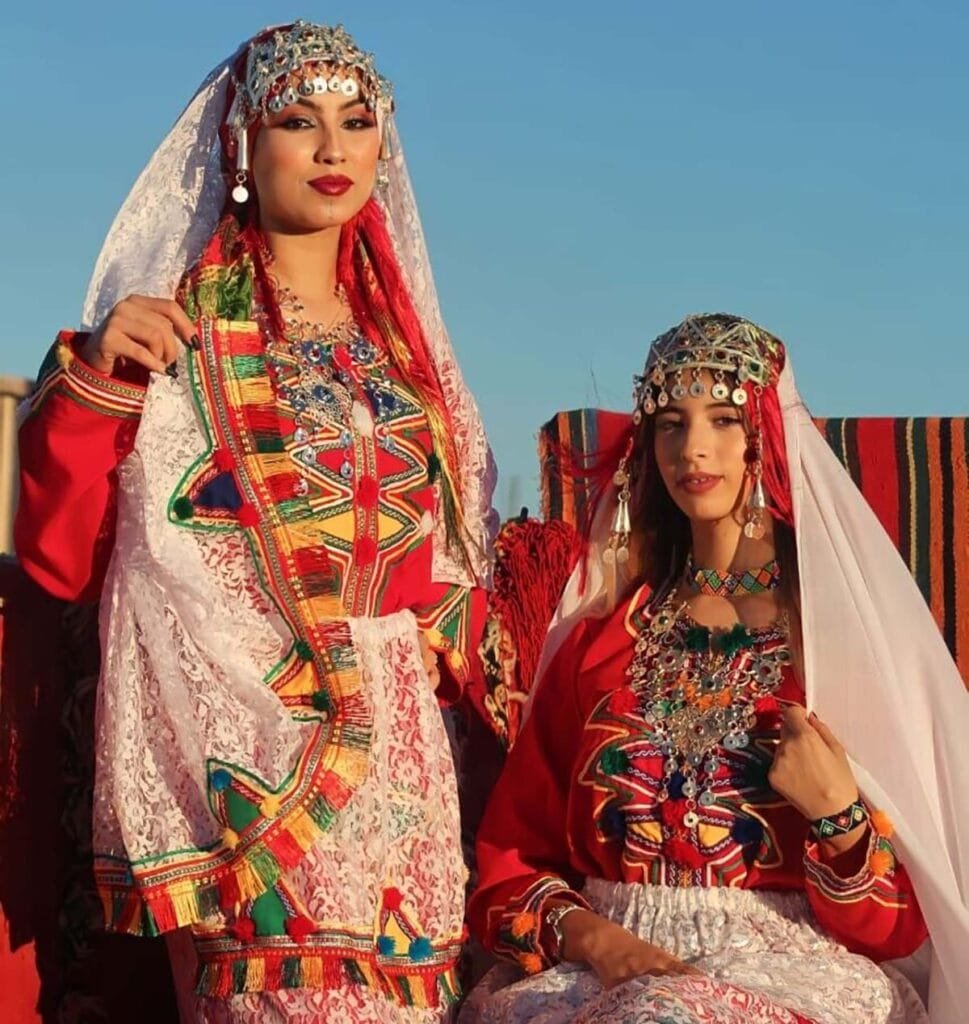
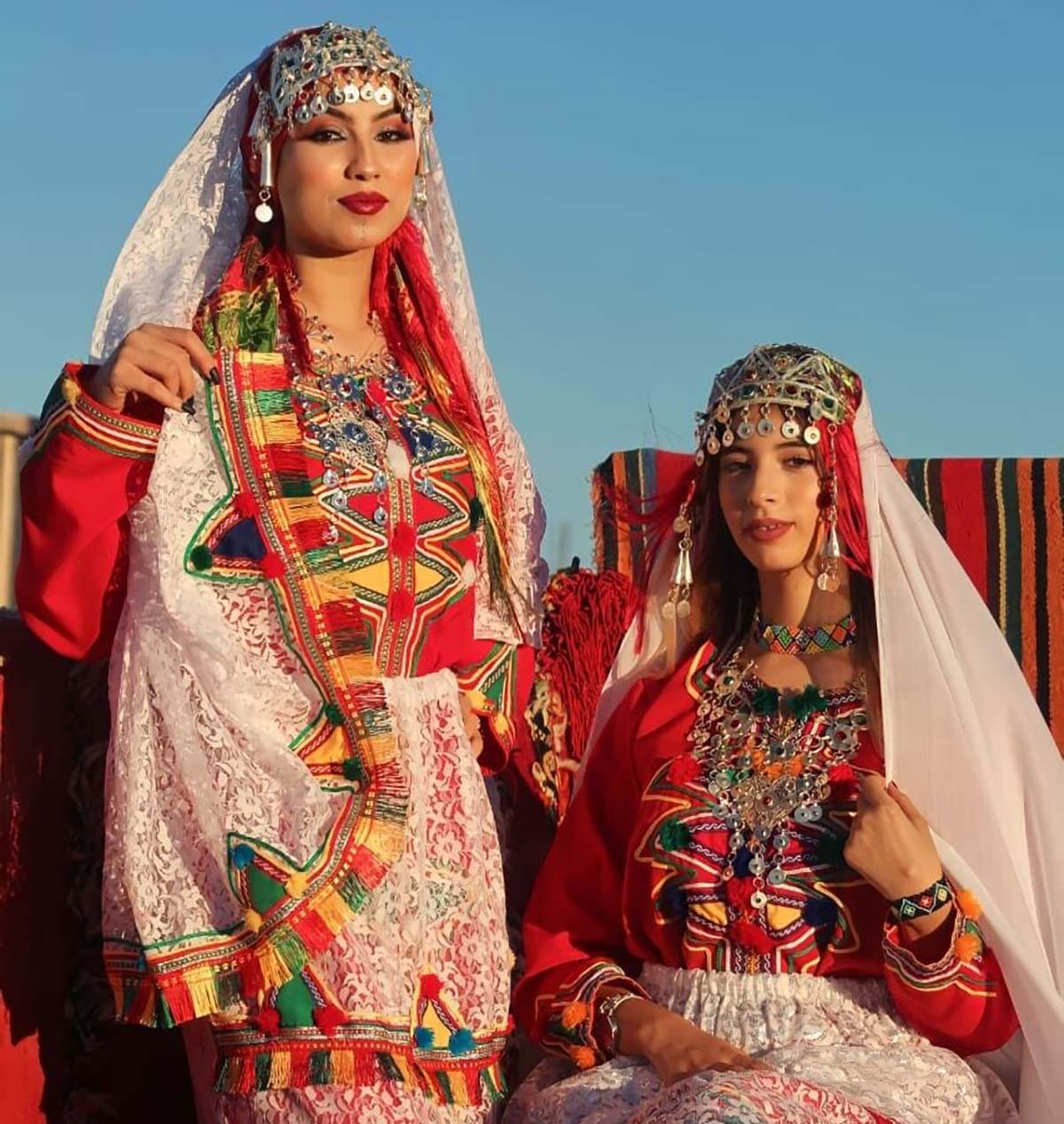
The Berber (Amazigh) heritage is another fundamental pillar of Moroccan culture. As the original inhabitants of North Africa, the Amazigh people have contributed significantly to the country’s language (Tamazight), music, art, and social structures, particularly in the Atlas Mountains and desert regions. Their vibrant traditions, including intricate weaving, pottery, and unique musical forms, are an integral part of the national identity [2, 7].
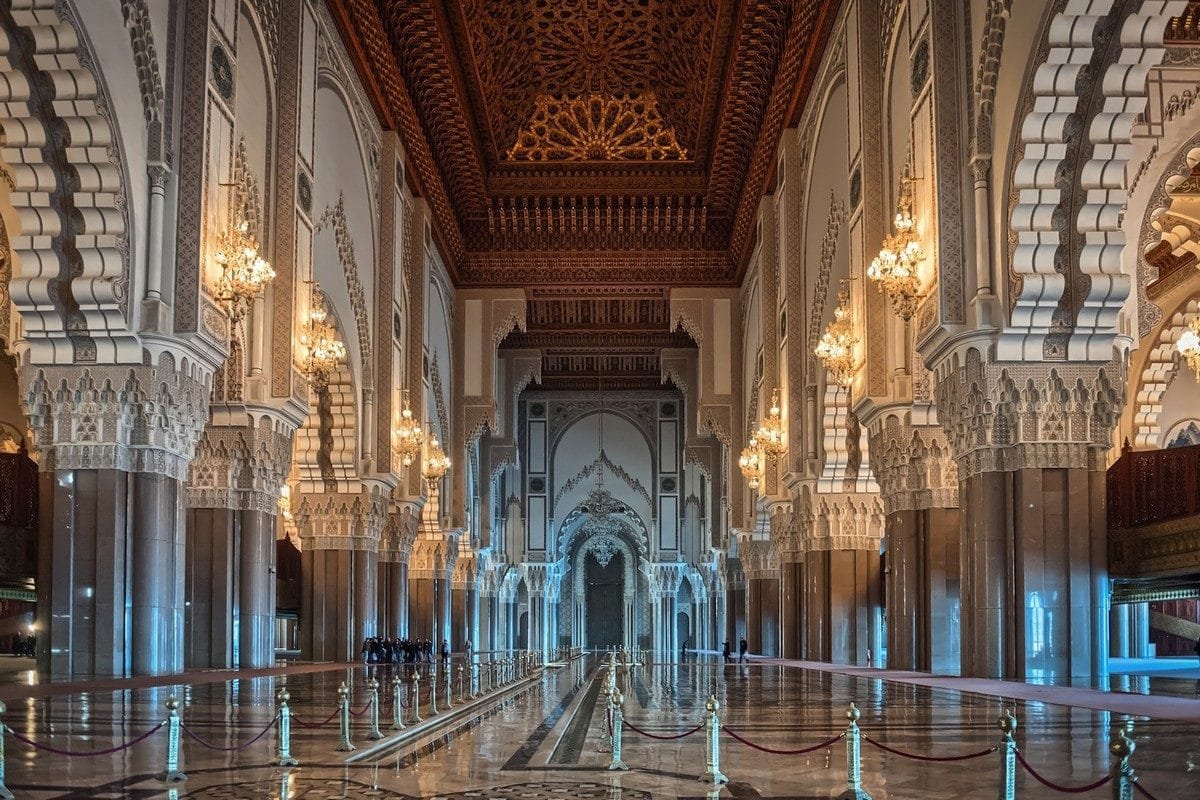
Arabic culture arrived with the Islamic conquests in the 7th century, bringing with it the Arabic language, Islamic architecture, and a rich literary tradition. Moroccan Arabic (Darija) is the spoken dialect, a blend of classical Arabic with Berber, French, and Spanish influences.The country’s architecture, characterized by ornate tilework (zellige), carved plaster, and grand courtyards, reflects a strong Andalusian and Islamic aesthetic [1, 6].
Beyond these dominant influences, Moroccan culture has also absorbed elements from sub-Saharan Africa, particularly in its music and spiritual practices, and from European powers like France and Spain, which left their mark on the country’s infrastructure, education, and some linguistic aspects. This continuous cultural exchange has created a dynamic and evolving society that values both tradition and adaptation, making Morocco a fascinating study in cultural synthesis.
The Heart of Hospitality: Tea and Tradition
Moroccan hospitality is legendary, deeply ingrained in the social fabric and considered a sacred duty. It is not merely a custom but a way of life, a profound expression of generosity, respect, and warmth towards guests, whether they are strangers or friends [8, 10]. This intrinsic value is perhaps best symbolized by the ubiquitous Moroccan mint tea ceremony.
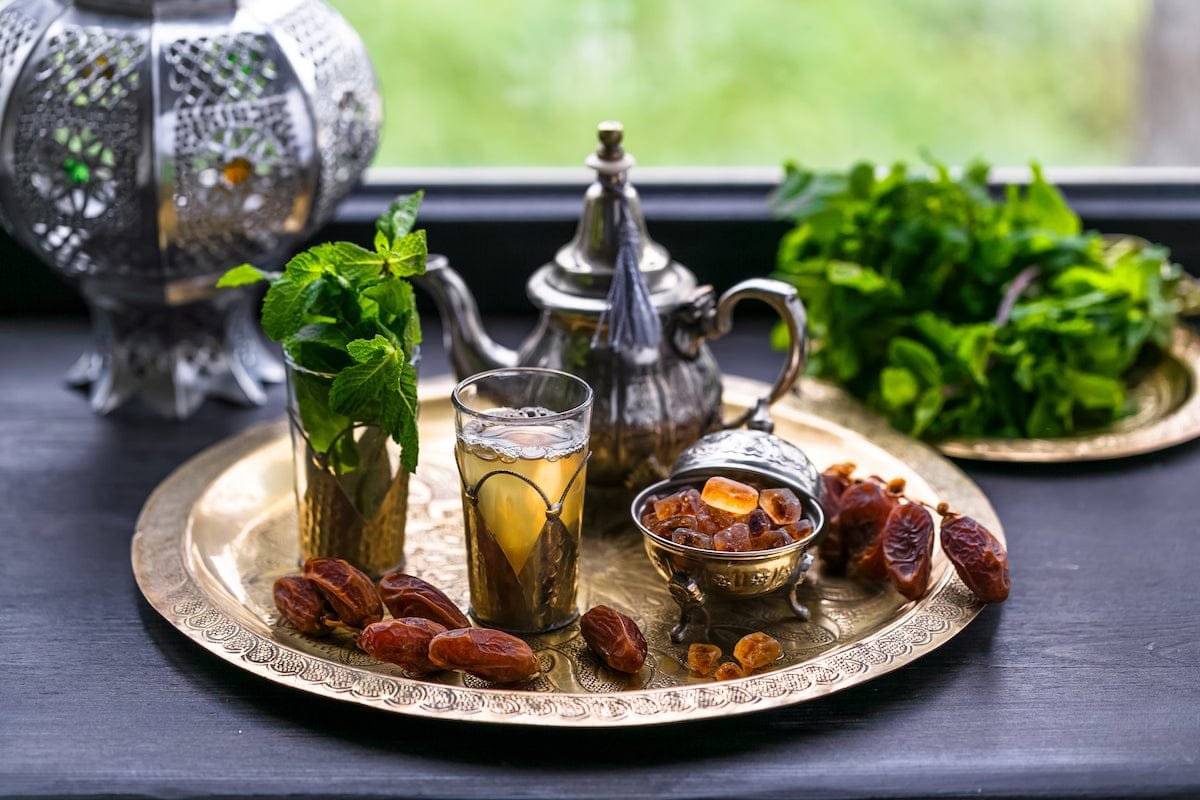
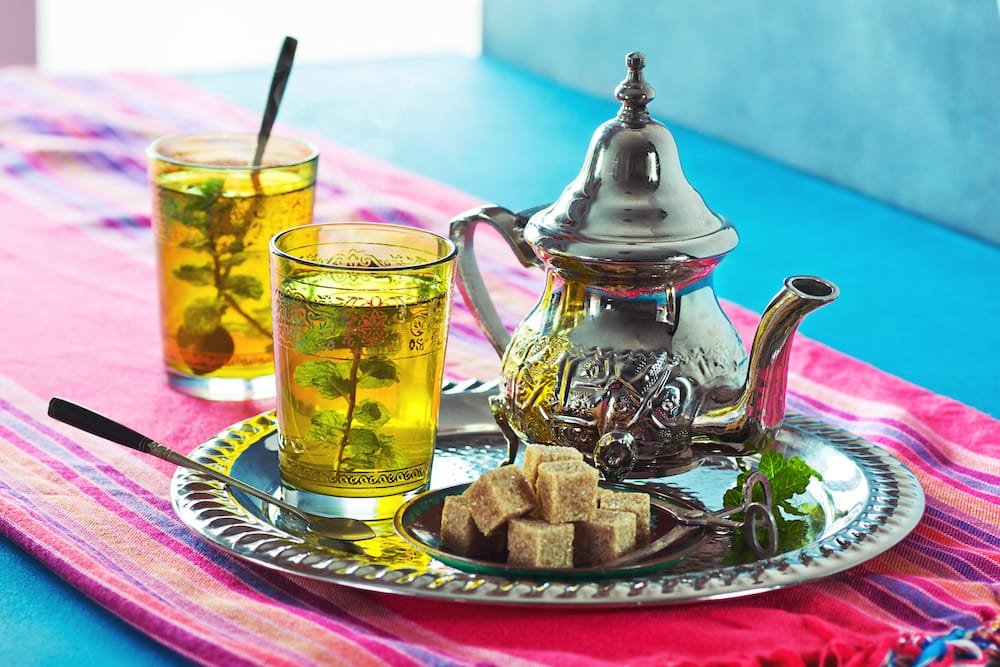
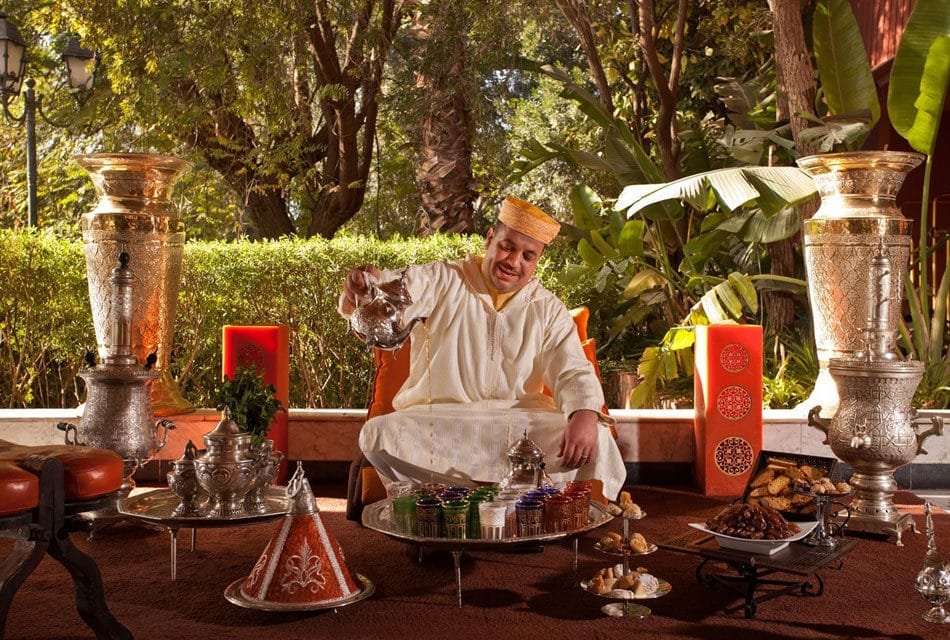
Serving mint tea, or “Atay Naa Naa,” is far more than just offering a beverage; it is an elaborate ritual, a gesture of welcome, and a cornerstone of social interaction [9, 12]. Guests are almost always offered tea upon entering a Moroccan home, shop, or even a guesthouse. The preparation itself is an art form, often performed by the head of the household, involving fresh mint leaves, green tea, and generous amounts of sugar, brewed and poured from a height to create a frothy top [9, 13]. Refusing the first glass is considered impolite, and guests are typically offered at least three glasses, each symbolizing life, love, and death [13]. This ritual fosters connection and conversation, allowing hosts and guests to bond and share stories.
Beyond tea, Moroccan hospitality extends to every facet of interaction. Guests are often invited to share meals, even if unannounced, and hosts go to great lengths to ensure their comfort and satisfaction. Sharing food, particularly from a communal tagine or platter, is a central act of bonding and generosity. It is customary for hosts to insist that guests eat more, a sign of their abundant welcome [11].
Gift-giving, particularly when visiting someone’s home, is also a common practice, with small tokens like pastries, dates, or a box of tea being appreciated gestures [8]. Moroccans often go out of their way to assist visitors, provide directions, or offer help, embodying a genuine desire to make others feel at home. This deep-seated culture of hospitality transforms a simple visit into a memorable experience, leaving travelers with a lasting impression of Moroccan warmth and generosity.
Cuisine: A Culinary Embrace
Moroccan cuisine is a testament to the country’s rich cultural tapestry, a vibrant fusion of Arab, Berber, Andalusian, and even European and African influences. It is celebrated worldwide for its aromatic spices, fresh ingredients, and complex flavors, offering a culinary journey that is as diverse as the country itself [14, 15].
The cornerstone of Moroccan cooking is the skillful use of spices, including cumin, turmeric, ginger, saffron, paprika, and the famous Ras el Hanout, a blend of up to 30 different spices. These are combined with fresh herbs like cilantro and parsley, and a variety of ingredients such as preserved lemons, olives, and argan oil, to create dishes that are both rich and nuanced [14, 16].
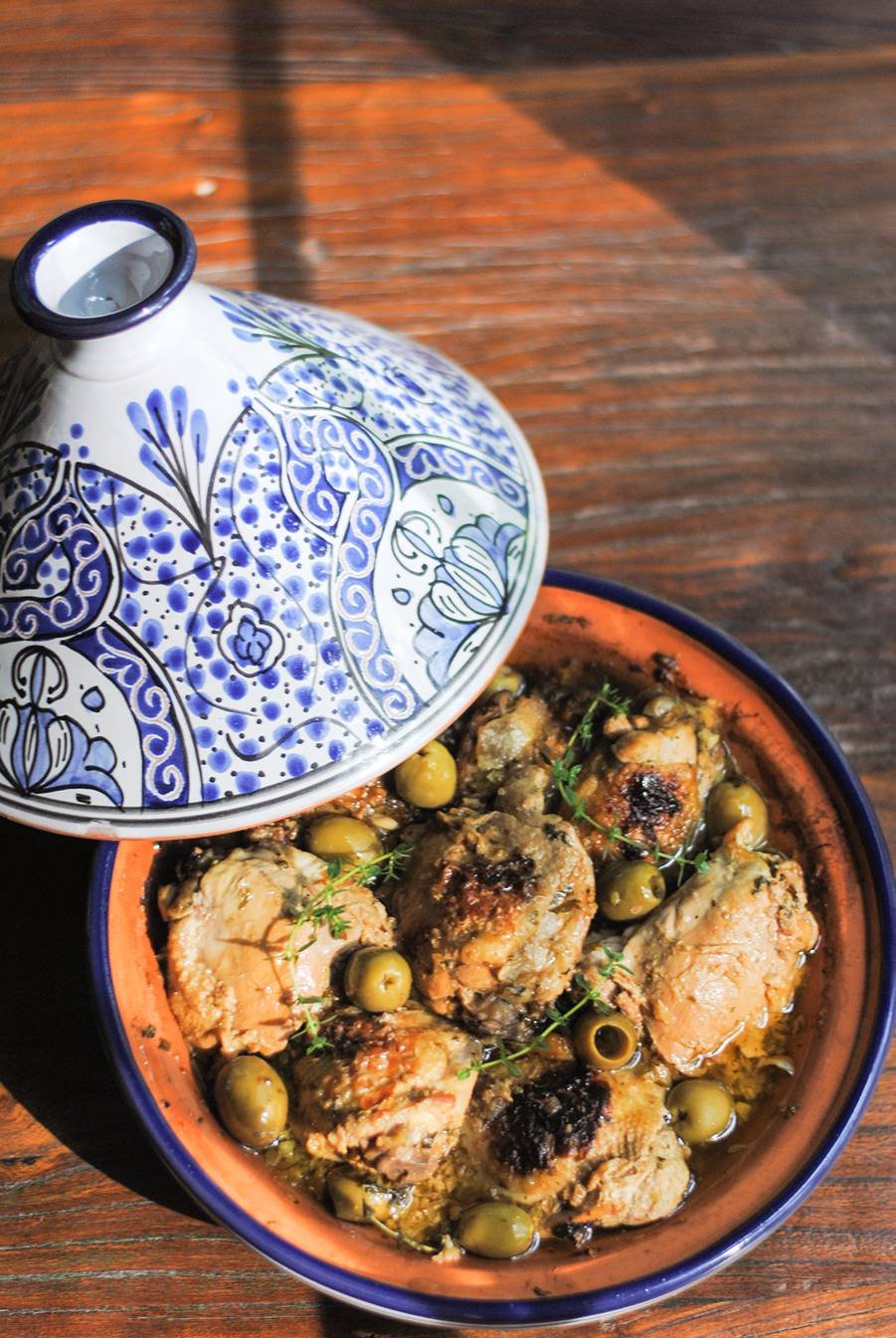
Two dishes stand out as quintessential Moroccan culinary experiences: Tagine and Couscous. The tagine, named after the earthenware pot in which it’s slow-cooked, is a savory stew typically made with meat (lamb, beef, or chicken), vegetables, and fruits, all simmered to perfection, allowing the flavors to meld beautifully [17, 18].
Couscous, a fine semolina pasta, is traditionally steamed and served with a rich stew of meat and vegetables, often on Fridays as a communal meal after prayers [17].
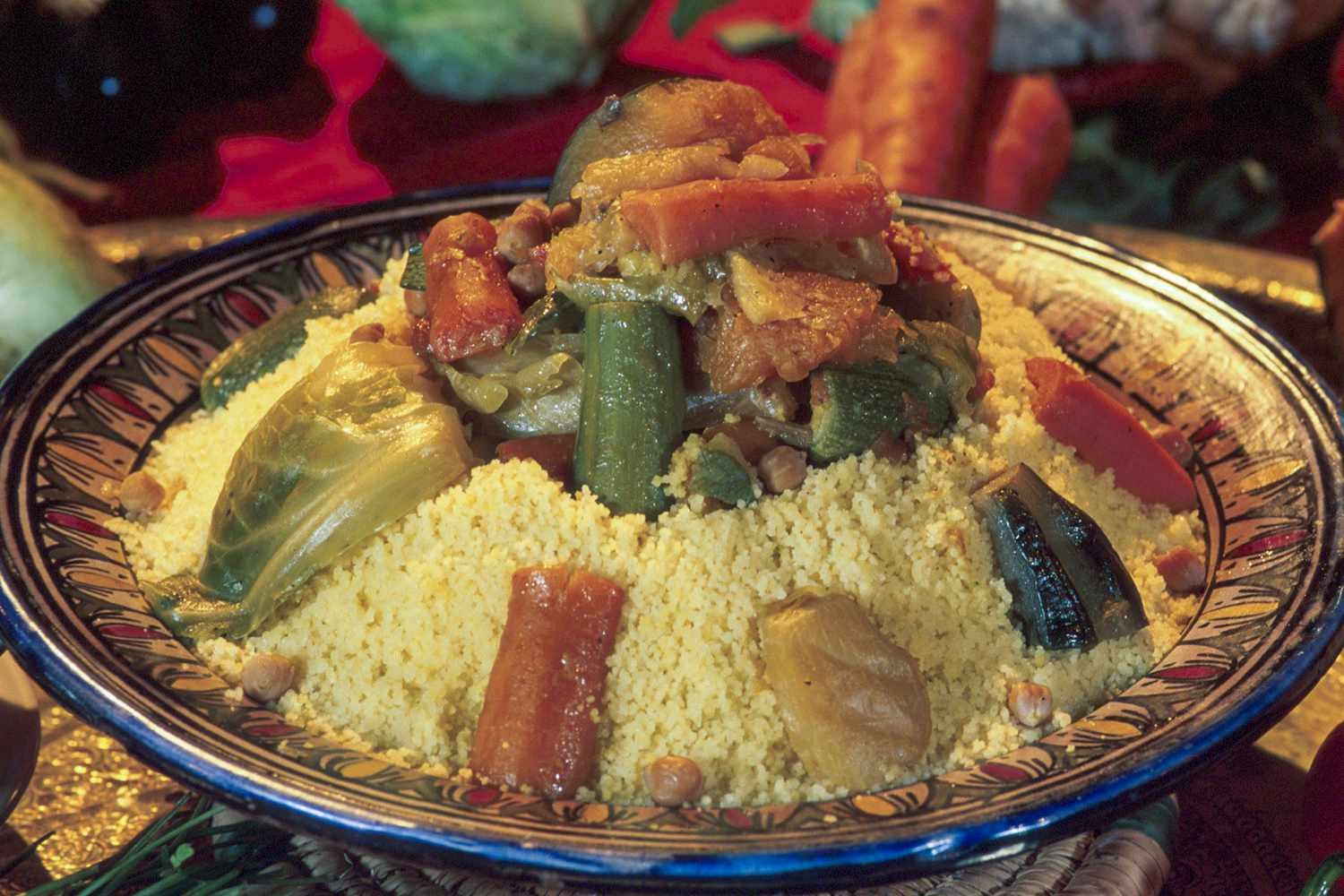
Other popular dishes include Harira, a hearty tomato-based soup often consumed during Ramadan; Pastilla, a sweet and savory pastry filled with pigeon or chicken, almonds, and spices; and various brochettes (kebabs) and salads. Moroccan street food also offers delights like Msemmen (flatbreads), Sfenj (doughnuts), and freshly squeezed orange juice [17, 19].
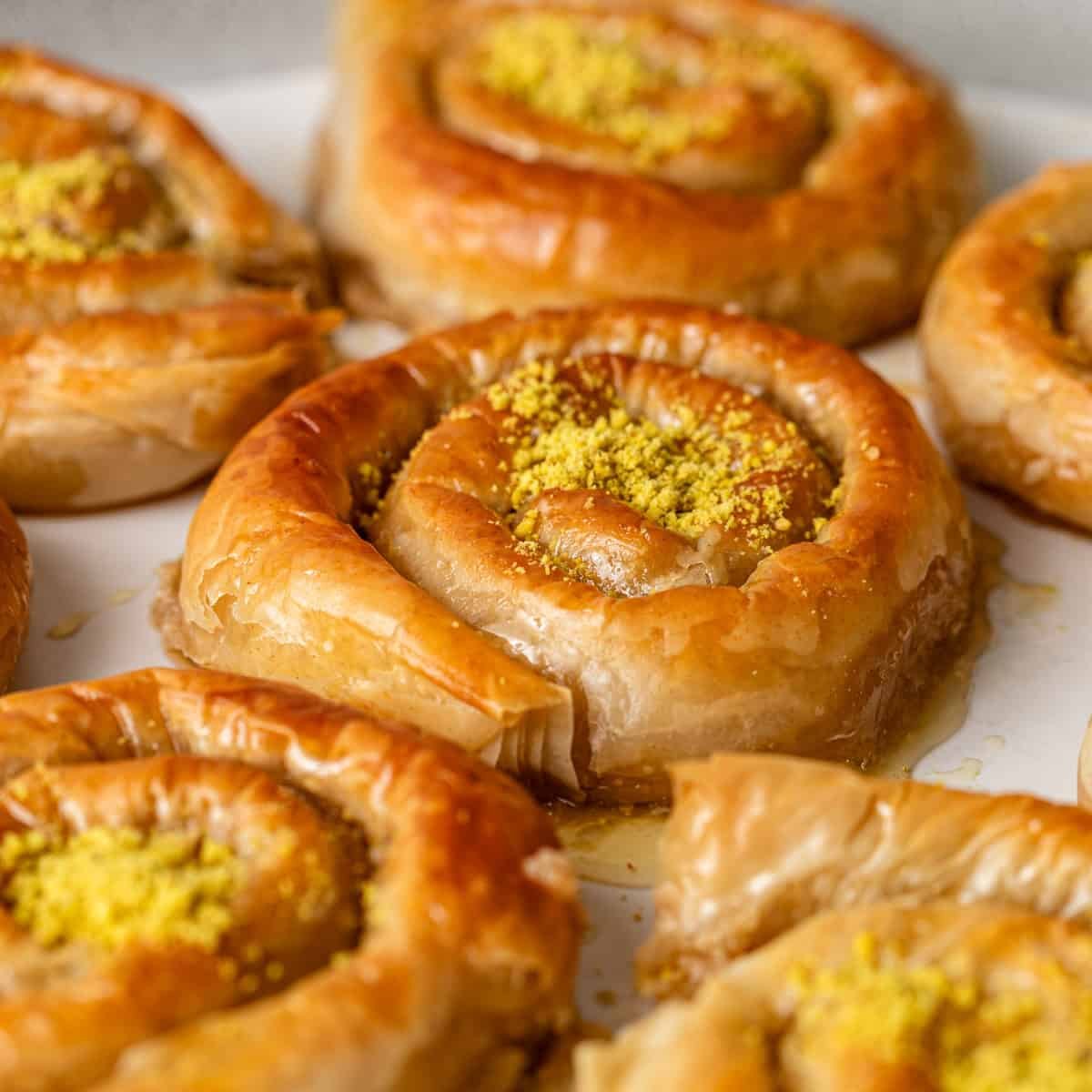
Eating in Morocco is often a communal affair, reflecting the country’s emphasis on family and hospitality. Meals are typically shared from a large communal platter, with diners using pieces of bread to scoop up the food. This shared experience not only nourishes the body but also strengthens social bonds, making Moroccan cuisine an integral part of the cultural and hospitable experience.
Arts, Crafts, and Music: Expressions of a Rich Heritage
Morocco’s cultural richness is vividly expressed through its diverse arts, intricate crafts, and captivating music. These forms of expression are not merely decorative but are deeply intertwined with the country’s history, spirituality, and daily life, reflecting the myriad influences that have shaped its identity [20, 21].
Traditional Moroccan crafts are renowned worldwide for their beauty, craftsmanship, and intricate details. Zellige, the art of mosaic tilework, is perhaps the most iconic, adorning palaces, mosques, and riads with geometric patterns and vibrant colors. Each piece of hand-cut tile is meticulously placed to create stunning visual narratives [20, 22].
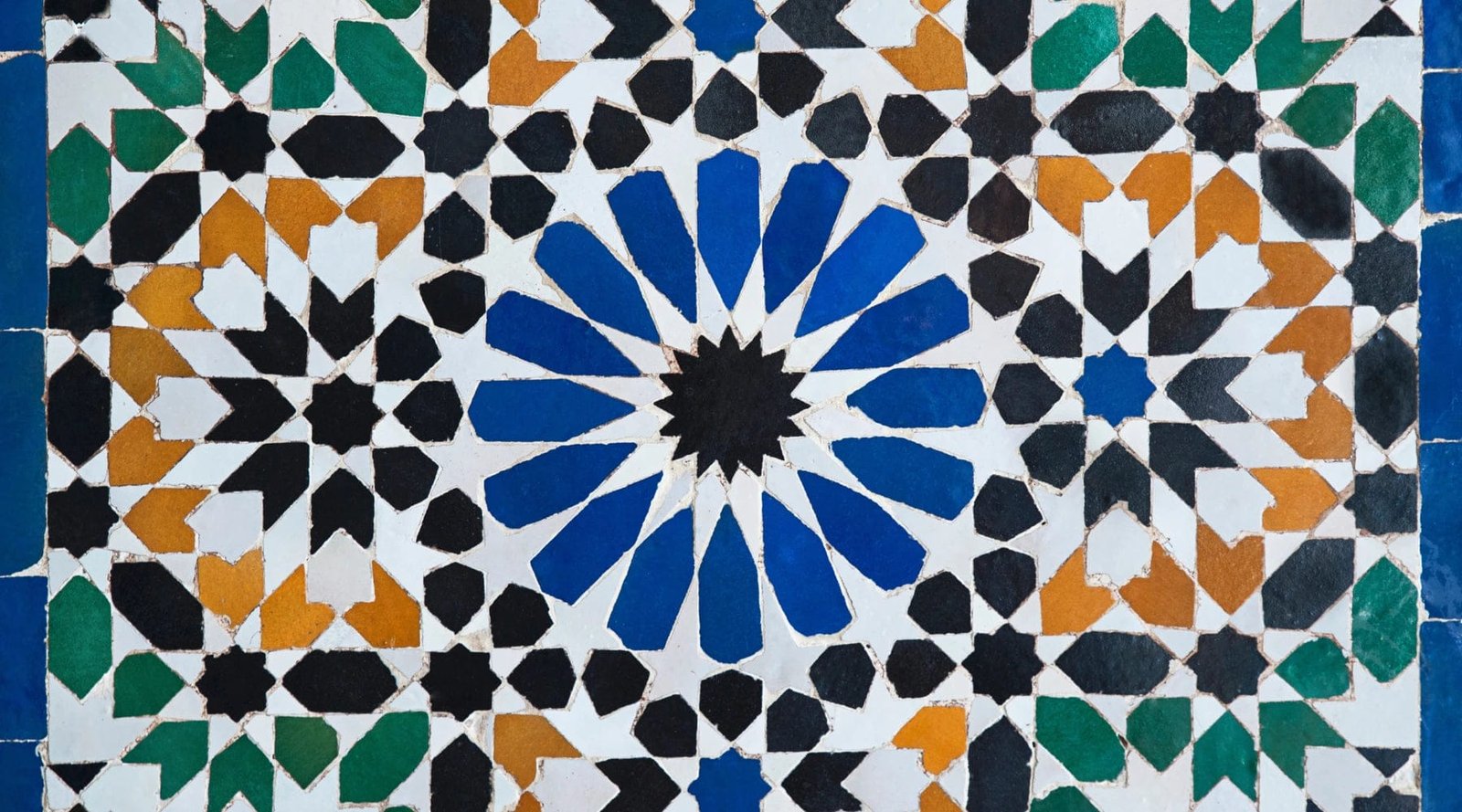
Other prominent crafts include woodwork, particularly cedar carving, used in ceilings, doors, and furniture; plaster carving (geps), which creates delicate, lace-like patterns on walls; and metalwork, producing ornate lanterns, trays, and jewelry [23, 24].
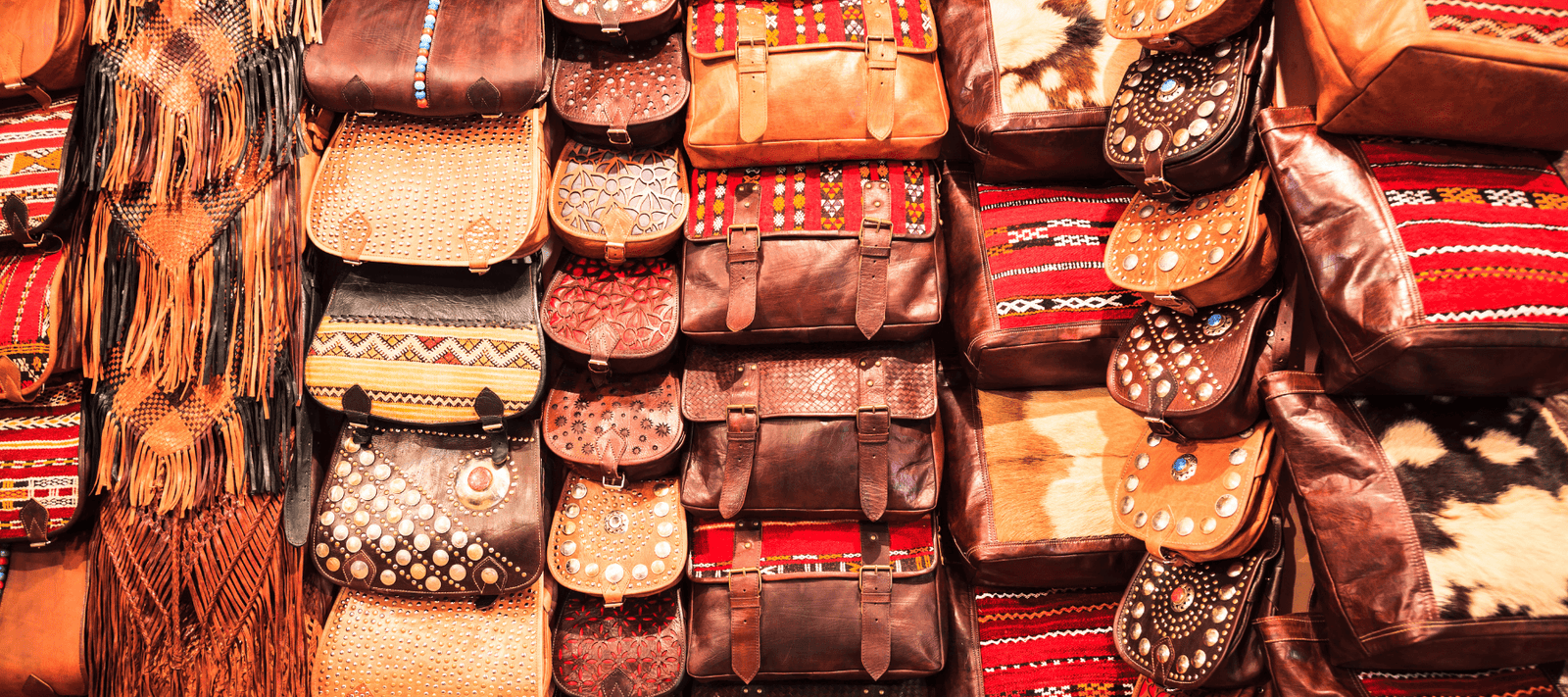
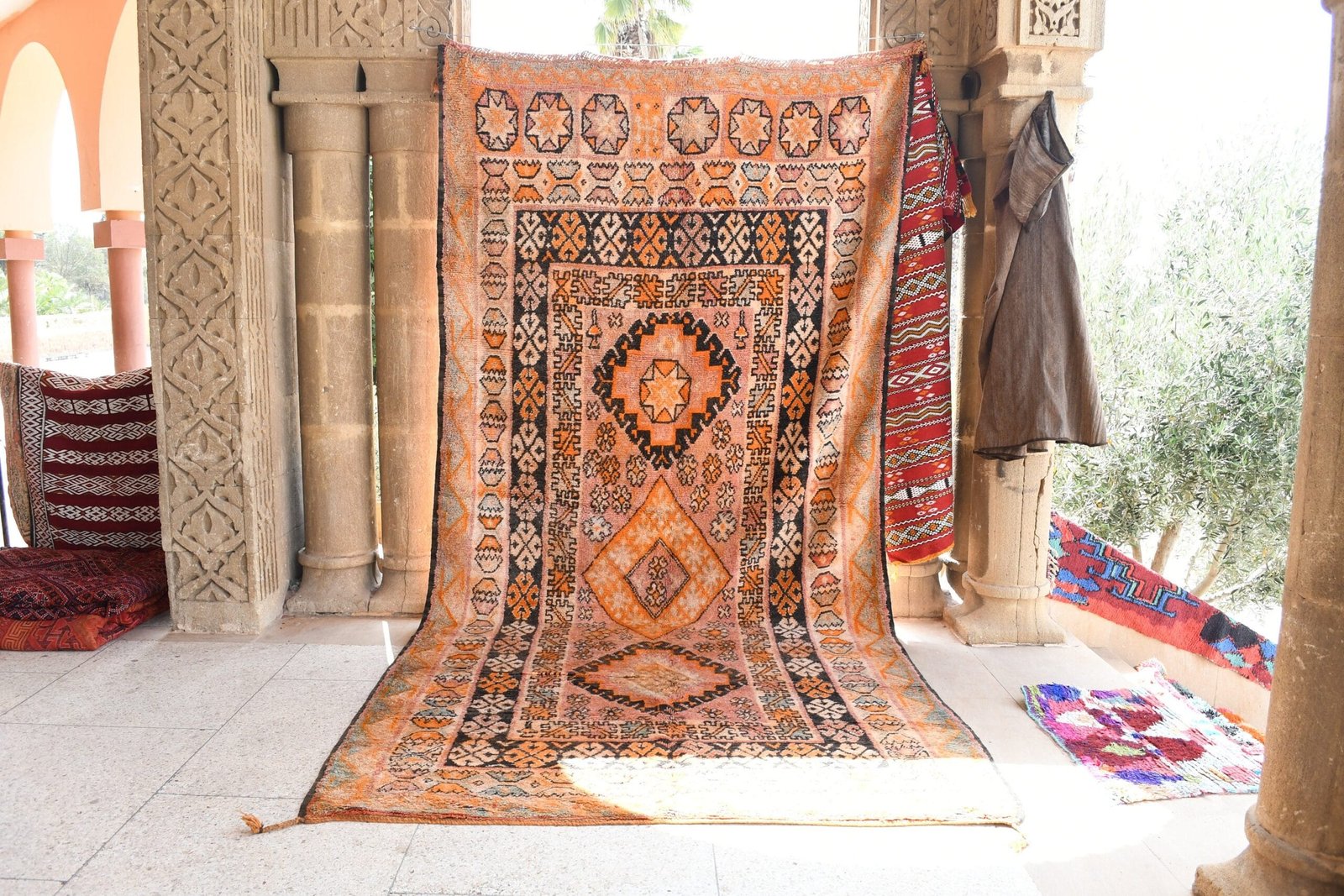
Leather goods, especially from cities like Fes, are highly prized, ranging from intricately embroidered poufs and bags to traditional slippers (babouches). Pottery, with its distinctive patterns and glazes, varies by region, from the vibrant blues of Fes to the earthy tones of Berber ceramics. Textiles and carpets, handwoven by Berber women in the Atlas Mountains, are not just floor coverings but tell stories through their symbols, colors, and patterns, often reflecting tribal identity and personal experiences [25, 26].
Moroccan music is equally diverse and soulful, a reflection of its multi-ethnic heritage. Andalusian classical music, with its roots in medieval Spain, is a sophisticated genre performed by orchestras using instruments like the oud, violin, and qanun. Gnawa music, originating from sub-Saharan African slaves, is a spiritual and rhythmic form characterized by its hypnotic melodies, call-and-response chanting, and the distinctive sound of the guembri (a three-stringed bass lute) and qraqeb (metal castanets) [27, 28].
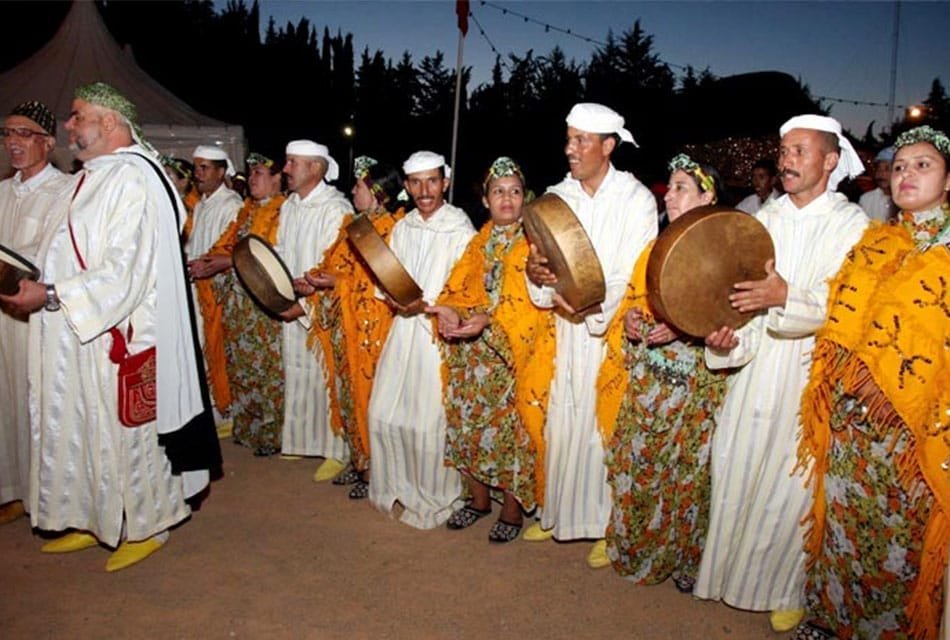
Berber music varies widely across regions, often featuring traditional instruments like the bendir (frame drum) and rhaita (double-reed instrument), accompanying communal dances and storytelling. Popular modern Moroccan music blends these traditional sounds with contemporary influences, creating a vibrant and evolving musical landscape. These artistic and musical expressions are not confined to museums or concert halls; they are alive in the bustling souks, quiet workshops, and lively celebrations, offering a sensory feast that enriches the Moroccan cultural experience.
Conclusion: An Enduring Spirit of Welcome
Moroccan culture and hospitality are inextricably linked, forming the very essence of what makes this North African nation so captivating. From the vibrant tapestry of its historical influences to the profound warmth extended to every guest, Morocco offers an experience that transcends mere tourism. It is a journey into a world where tradition and modernity coexist, where ancient customs are cherished, and where the act of welcoming a stranger is a deeply ingrained virtue. The mint tea ceremony, the communal meals, the intricate artistry, and the soulful music all serve as expressions of a people who value connection, generosity, and respect above all else. To truly understand Morocco is to immerse oneself in its culture and to embrace the genuine hospitality of its people, leaving with not just memories, but a profound sense of belonging and a desire to return.
References
[1] Culture of Morocco – Wikipedia. URL: https://en.wikipedia.org/wiki/Culture_of_Morocco [2] Morocco Culture : Language, Religion, Food – Original Travel. URL: https://www.originaltravel.co.uk/travel-guide/morocco/culture [3] Morocco: A Brief Overview – KC&E Blog. URL: https://kceadventures.com/blog/morocco-a-brief-overview [4] Morocco Culture : Facts, Customs and Etiquette. URL: https://www.morocco-guide.com/culture/ [5] Customs and etiquette in Morocco – Rough Guides. URL: https://www.roughguides.com/morocco/customs-etiquette/ [6] A Journey through Moroccan Culture and History – Wild Morocco. URL: https://wildmorocco.com/moroccan-culture-and-history/ [7] What are the traditions of Moroccan culture – Riad Nayanour. URL: https://www.riadnayanour.com/what-are-the-traditions-of-moroccan-culture/ [8] The Curious Case of Moroccan Hospitality – Tuljak! Travel Blog. URL: https://www.tuljak.com/blog/the-curious-case-of-moroccan-hospitality [9] Understanding Moroccan Hospitality: Tea, Tradition, and Connection. URL: https://hamidjalal.com/2025/02/07/understanding-moroccan-hospitality-tea-tradition-and-connection/ [10] The Meaning and Importance of Moroccan Hospitality. URL: https://www.elbahia.com/the-meaning-and-importance-of-moroccan-hospitality/ [11] Moroccan Hospitality: An Ancestral Tradition – Villa Atika Marrakech. URL: https://villaatikamarrakech.com/eng/moroccan-hospitality/ [12] What Happens At A Moroccan Tea Ceremony? URL: https://moroccanjourneys.com/tea-ceremony-in-morocco/ [13] Traditional Moroccan Tea Ceremony: What It Is & How To Do It. URL: https://epicureandculture.com/moroccan-tea-ceremony/ [14] Moroccan cuisine – Wikipedia. URL: https://en.wikipedia.org/wiki/Moroccan_cuisine [15] The 10 Dishes that Define Moroccan Cuisine – Munchery. URL: https://www.munchery.com/blog/the-10-dishes-that-define-moroccan-cuisine/ [16] The Ultimate Guide to Moroccan Cuisine | Jacada Travel. URL: https://www.jacadatravel.com/africa/morocco/travel-guides/guide-to-moroccan-cuisine/ [17] Top 10 foods to try in Morocco | Good Food. URL: https://www.bbcgoodfood.com/travel/global/top-10-foods-try-morocco [18] Which dishes best represent the cuisine of Morocco? – Reddit. URL: https://www.reddit.com/r/Morocco/comments/1e4et6v/which_dishes_best_represent_the_cuisine_of_morocco/ [19] The Ultimate Moroccan Food Guide | Celebrity Cruises. URL: https://www.celebritycruises.com/blog/moroccan-food [20] Morocco Handicraft Arts: Carpets, Leather, Pottery & More. URL: https://www.nationalgeographic.com/expeditions/get-inspired/stories-from-the-road/morocco-handicraft-arts-carpets-leather-pottery/ [21] Traditional Moroccan Art and Culture – Miss Amara USA. URL: https://missamara.com/pages/traditional-moroccan-art-and-culture?srsltid=AfmBOorvyB3aGcsRzz4uAjq1g439YL0p6Rah2IRnsMn0yB5bydr9KKAl [22] Exploring the rich art, architecture, and craftmanship of Morocco. URL: https://www.saexpeditions.com/blog/post/exploring-the-rich-art-architecture-and-craftmanship-of-morocco [23] Arts & Crafts in Morocco – Frommers. URL: https://www.frommers.com/destinations/morocco/in-depth/arts–crafts/ [24] Top Traditional Moroccan Crafts You Must See – Morocco Travel. URL: https://www.moroccotravel.co/top-traditional-moroccan-crafts-you-must-see/ [25] Culture of Morocco – Wikipedia. URL: https://en.wikipedia.org/wiki/Culture_of_Morocco [26] Discover Morocco – Moroccan traditional crafts – Morocco. URL: https://www.visitmorocco.com/en/discover-morocco/traditional-craftsmanship-revisited