Morocco, a land of captivating contrasts, beckons travelers with its vibrant culture, ancient cities, breathtaking landscapes, and warm hospitality. From the bustling souks of Marrakech to the serene dunes of the Sahara, and from the azure coasts of Essaouira to the majestic peaks of the Atlas Mountains, Morocco offers an unparalleled travel experience. This blog post will delve into the diverse facets of tourism in Morocco, highlighting its key attractions, unique experiences, and the reasons why it continues to be a top destination for adventurers and culture enthusiasts alike.
Table of Contents
Diverse Landscapes: From Mountains to Deserts and Coasts
Morocco’s geographical diversity is one of its most compelling attractions, offering a dramatic array of landscapes that cater to every type of traveler. This natural richness allows for a multitude of activities, from adventurous treks to serene coastal retreats [1, 2].
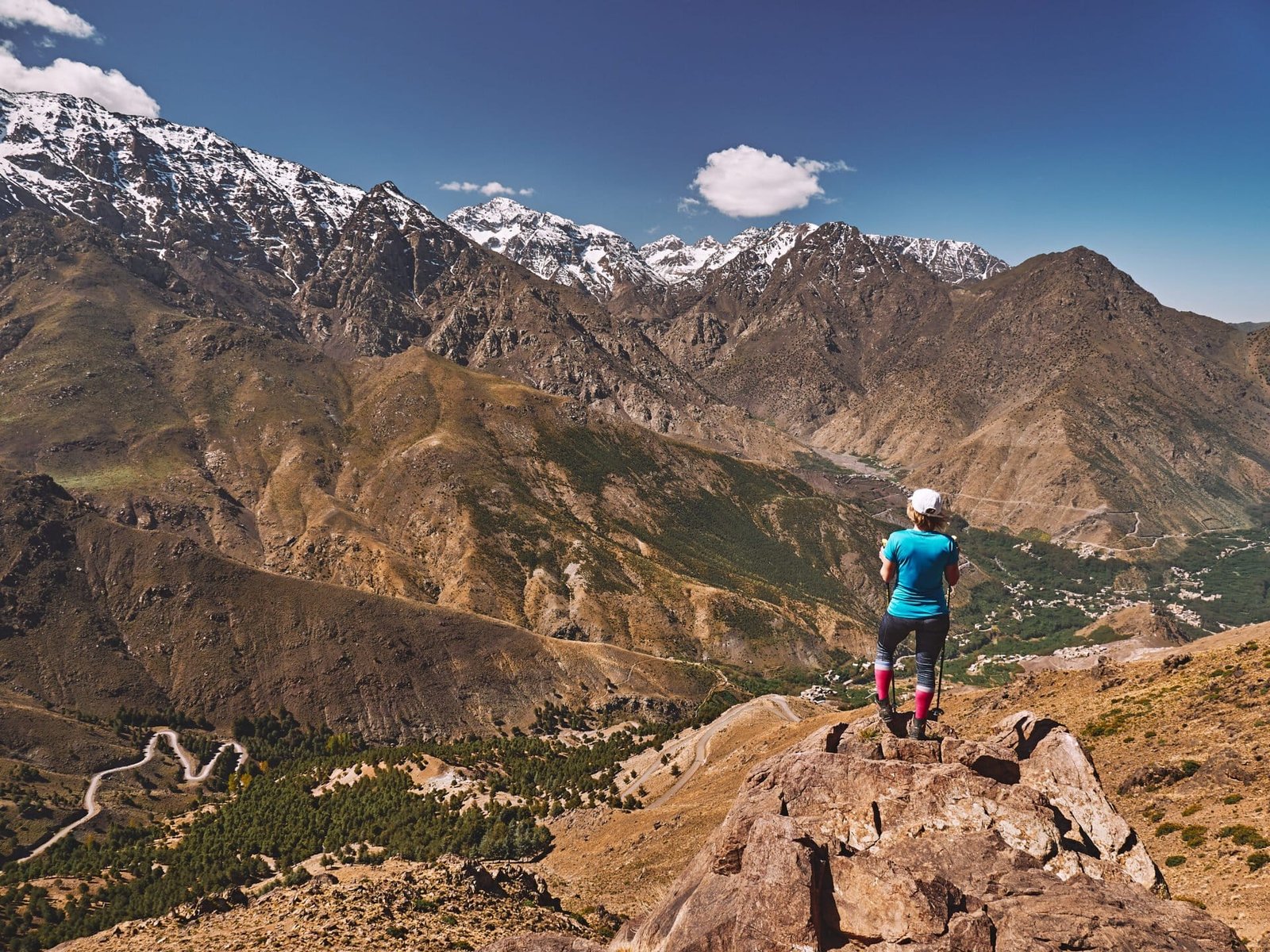
The Atlas Mountains form the country’s majestic spine, stretching across its interior and offering stunning vistas, traditional Berber villages, and opportunities for hiking, trekking, and even skiing in winter. The High Atlas, in particular, is home to Toubkal, North Africa’s highest peak, drawing mountaineers from around the globe. Beyond the physical challenge, the mountains provide a glimpse into the authentic Berber way of life, with ancient traditions and warm hospitality [3, 4].

To the south, the Sahara Desert unfolds in a mesmerizing expanse of golden dunes, offering an otherworldly experience. Merzouga and Erg Chebbi are popular entry points for desert adventures, where visitors can embark on camel treks, witness breathtaking sunrises and sunsets over the dunes, and spend nights under a blanket of stars in traditional desert camps. The silence and vastness of the Sahara provide a profound sense of tranquility and connection with nature [5, 6].

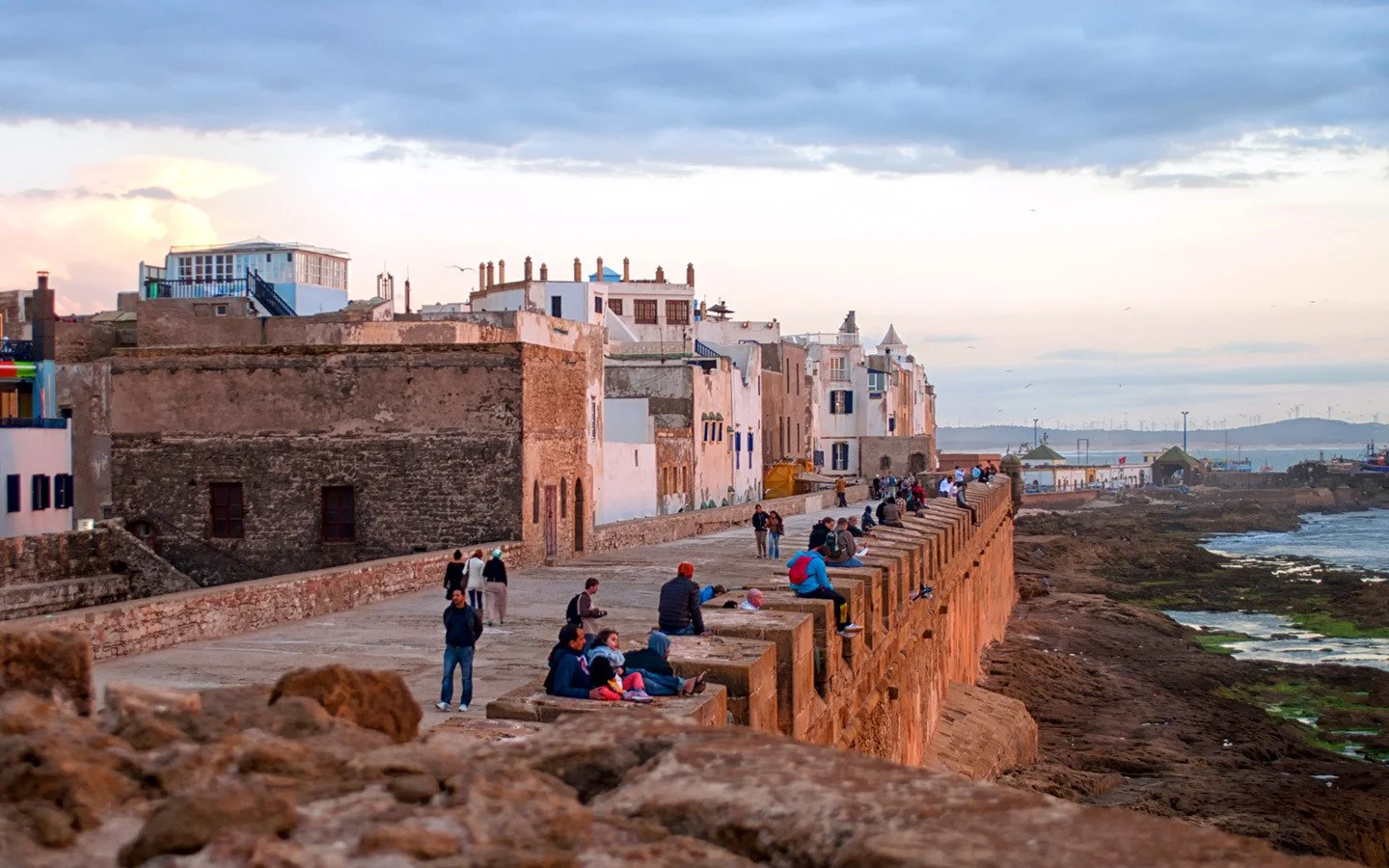
Morocco’s extensive coastline, bordering both the Atlantic Ocean and the Mediterranean Sea, presents a different kind of allure. Essaouira, on the Atlantic coast, is a charming fortified city known for its strong winds, making it a haven for windsurfers and kitesurfers. Its picturesque medina, vibrant fishing port, and relaxed atmosphere offer a refreshing contrast to the bustling imperial cities [7, 8]. Further north, cities like Tangier and Asilah provide Mediterranean charm, with beautiful beaches, historical sites, and a blend of European and Moroccan influences.
Imperial Cities and Cultural Hubs: A Journey Through History
Morocco’s imperial cities are living museums, each boasting a unique history, architectural marvels, and a vibrant cultural scene. These urban centers offer a deep dive into the country’s rich past and present, showcasing a blend of ancient traditions and modern life [9, 10].
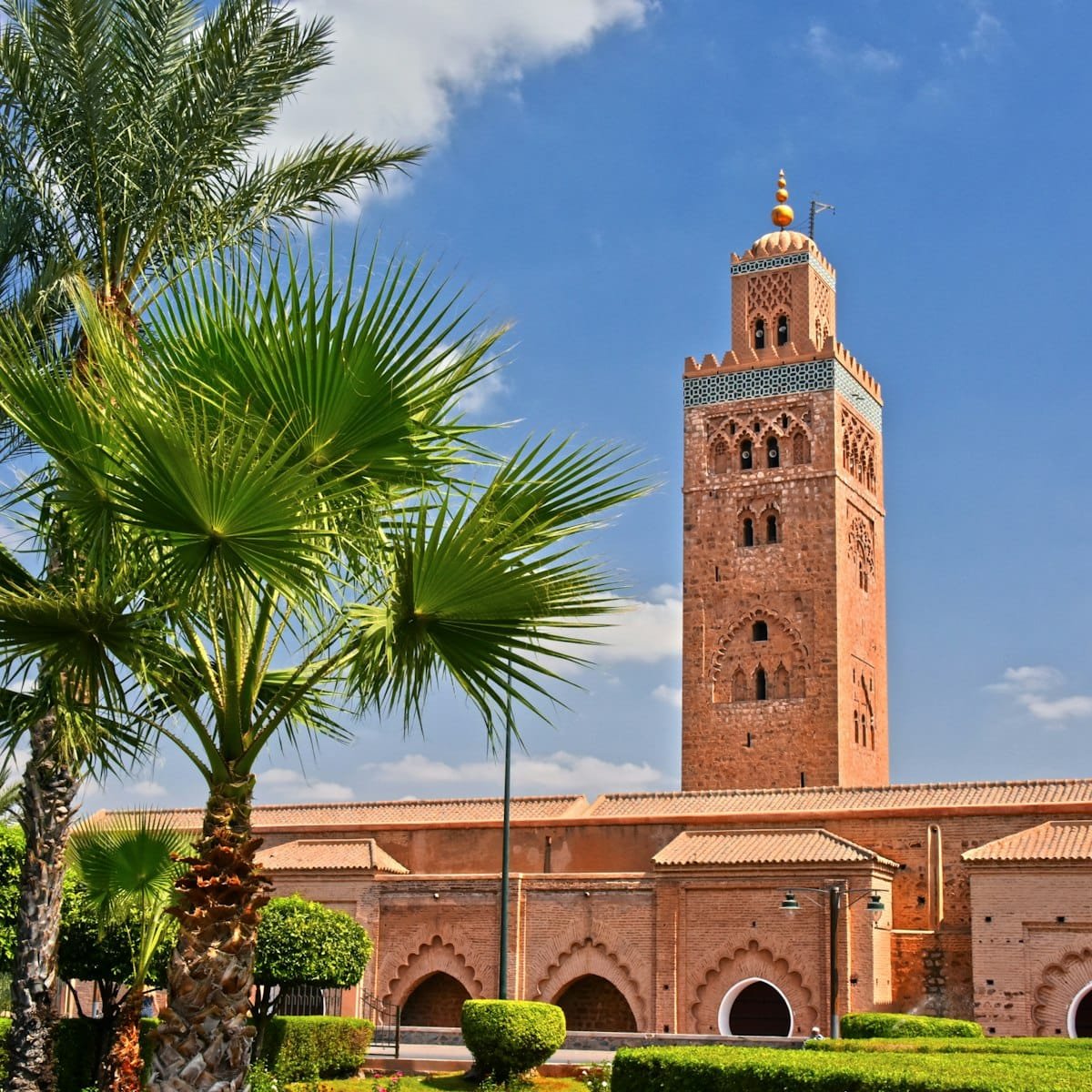
Marrakech, often called the “Red City,” is a sensory delight. Its bustling Djemaa el-Fna square, a UNESCO World Heritage site, comes alive at night with storytellers, musicians, acrobats, and food stalls. The city’s labyrinthine souks offer an endless array of traditional crafts, spices, and textiles. Beyond the Medina, the tranquil Jardin Majorelle and the opulent Bahia Palace provide serene escapes [11, 12].
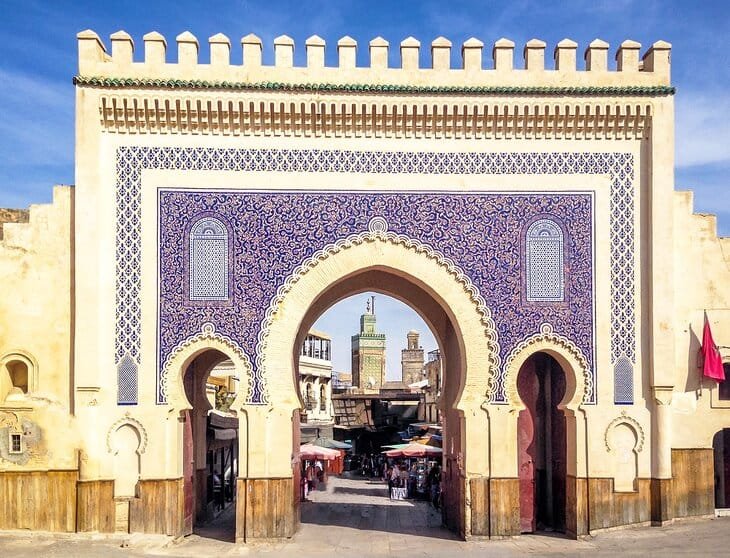
Fes, the oldest of Morocco’s imperial cities, is considered the country’s spiritual and cultural capital. Its medieval Medina, Fes el-Bali, is another UNESCO World Heritage site and one of the world’s largest car-free urban areas. Exploring its narrow alleys reveals ancient tanneries, madrasas (Islamic schools), and artisan workshops that have preserved traditional crafts for centuries [13, 14].
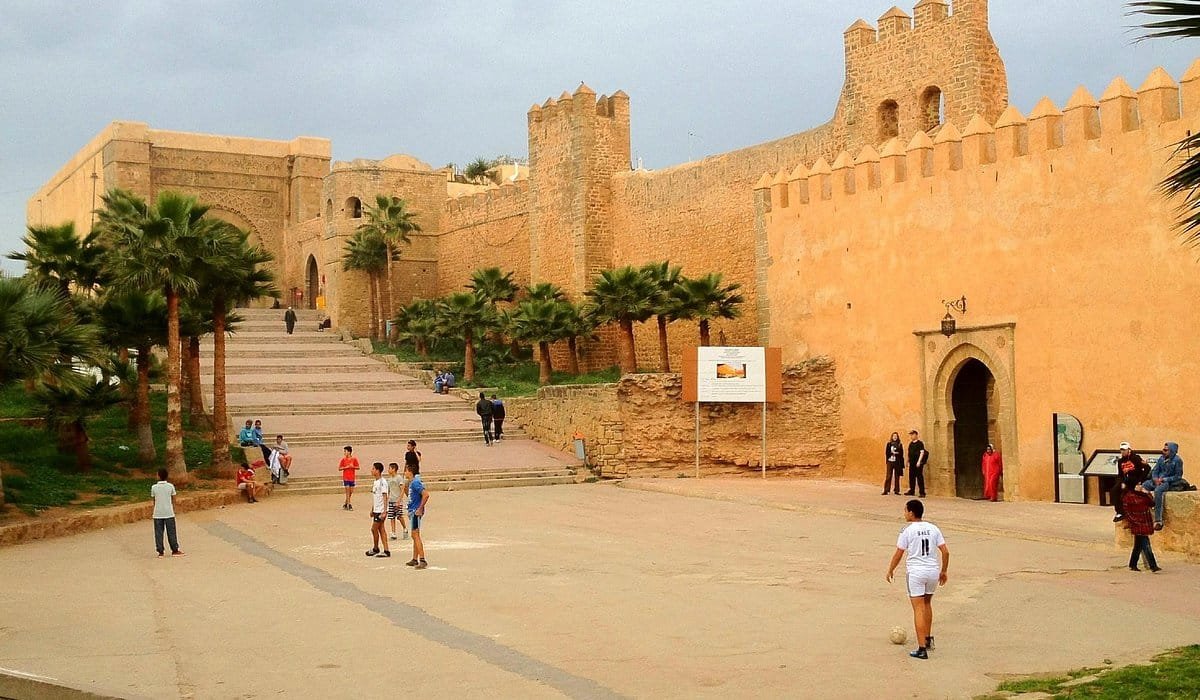
Rabat, the modern capital, offers a more relaxed pace with its wide boulevards, beautiful gardens, and historical sites. Key attractions include the Hassan Tower, an incomplete minaret of a 12th-century mosque, and the Mausoleum of Mohammed V. The Kasbah of the Udayas, a picturesque fortress overlooking the Atlantic, provides stunning views and a charming blue-and-white neighborhood to explore [15, 16].
Meknes, another imperial city, is known for its grand gates, such as Bab Mansour, and its historical granaries and stables. While often overshadowed by Fes and Marrakech, Meknes offers a more authentic and less touristy experience of Moroccan history [17].
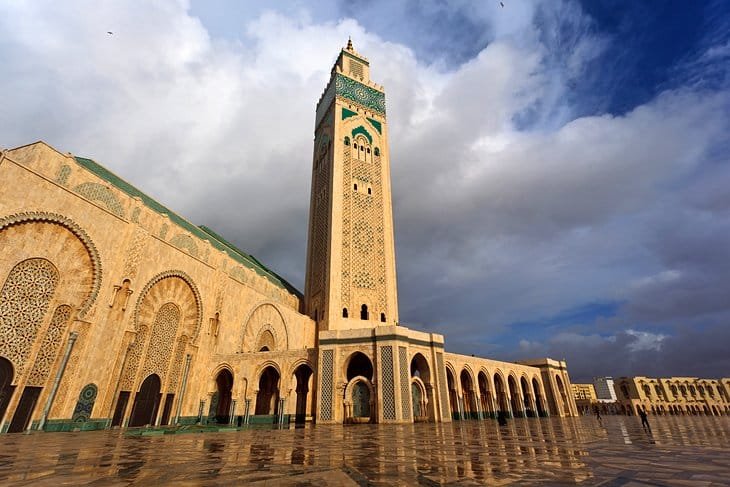
Casablanca, Morocco’s largest city and economic hub, presents a more contemporary face of the country. While it may lack the ancient charm of other imperial cities, it is home to the magnificent Hassan II Mosque, one of the largest mosques in the world, with a minaret that is the tallest in Africa. Its Art Deco architecture and vibrant urban life offer a glimpse into modern Moroccan society [18, 19].
Unique Experiences and Activities: Beyond the Usual Path
Beyond its iconic landscapes and historical cities, Morocco offers a wealth of unique experiences and activities that allow visitors to delve deeper into its culture and natural beauty. These opportunities provide memorable encounters and a more immersive understanding of the country [20, 21].
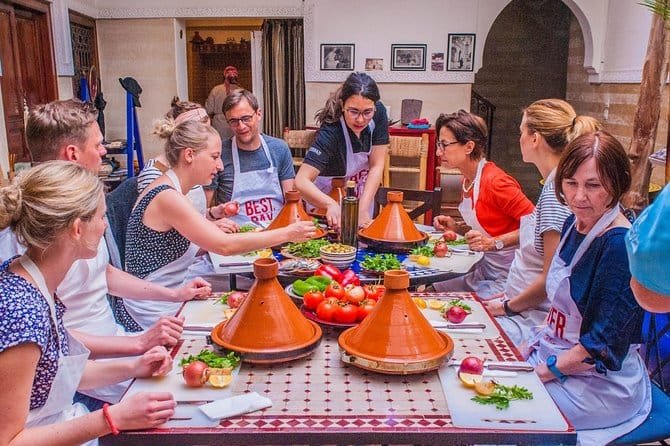
One of the most sought-after experiences is a cooking class, where visitors can learn the secrets of Moroccan cuisine. From mastering the art of tagine preparation to baking traditional bread, these classes often include a visit to a local market to source fresh ingredients, providing a hands-on cultural immersion [22, 23].
For those seeking adventure, trekking in the Atlas Mountains offers trails ranging from easy day hikes to multi-day expeditions, revealing stunning panoramic views, hidden valleys, and encounters with local Berber communities. The Todra and Dades Gorges are particularly popular for their dramatic landscapes and opportunities for rock climbing [24, 25].
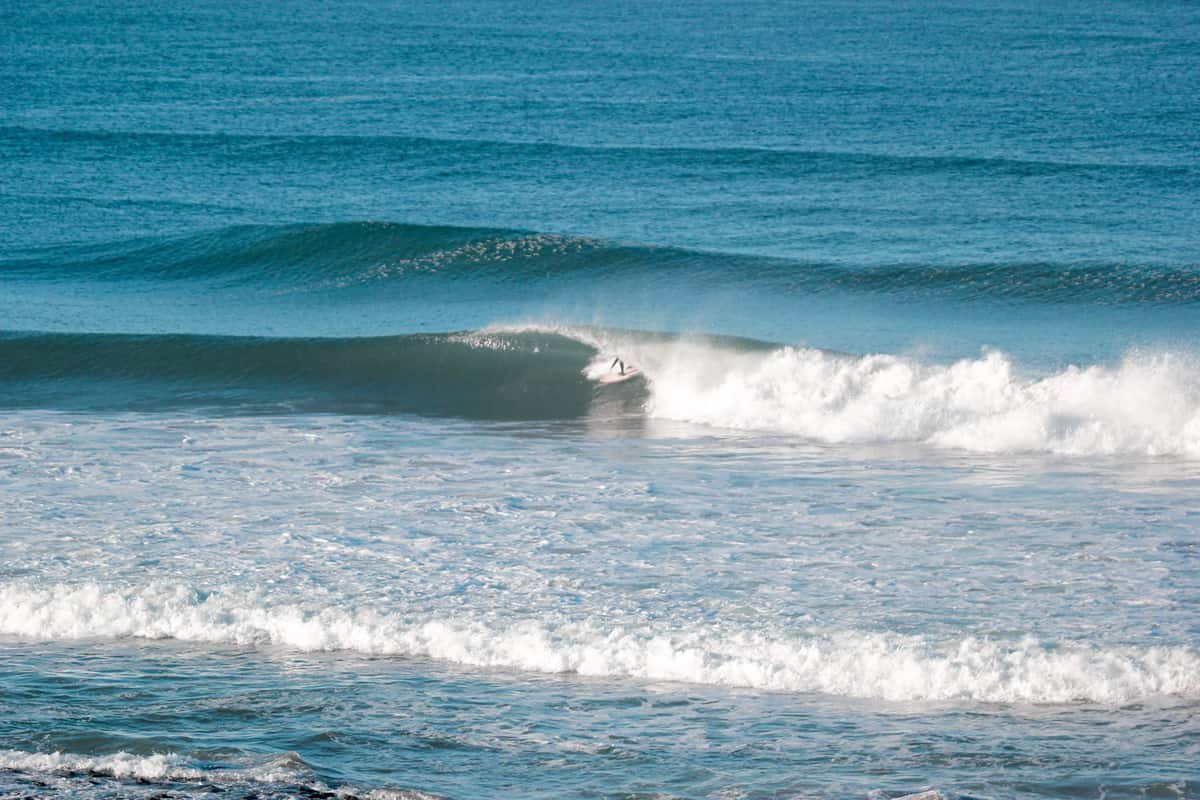
Surfing and kitesurfing are popular activities along the Atlantic coast, especially in towns like Essaouira and Taghazout, which boast consistent winds and waves suitable for all skill levels. These coastal towns also offer a relaxed bohemian vibe, perfect for unwinding after a day on the water [26, 27].
Exploring the vibrant souks (markets) is an experience in itself. Beyond shopping for spices, leather goods, textiles, and ceramics, it’s an opportunity to witness the traditional artisan crafts being made and to engage in the lively art of bargaining, a cultural ritual in itself [28, 29].
For a truly authentic cultural exchange, consider a homestay in a traditional riad or guesthouse. Many riads, traditional Moroccan houses with interior courtyards, offer a glimpse into local life and provide a more intimate and personalized experience than conventional hotels. Some even offer workshops on traditional crafts or cooking [30].
Finally, a visit to a traditional hammam (public bathhouse) offers a relaxing and rejuvenating experience. These communal baths are an integral part of Moroccan social life, providing a space for cleansing, relaxation, and conversation [31].
Conclusion: Your Moroccan Adventure Awaits
Tourism in Morocco is an invitation to embark on a journey of discovery, where ancient traditions meet modern vibrancy, and natural wonders blend seamlessly with rich cultural heritage. Whether you seek the thrill of desert adventures, the historical allure of imperial cities, the tranquility of coastal escapes, or the warmth of genuine hospitality, Morocco offers an experience tailored to every traveler. Its diverse landscapes, vibrant culture, and unique activities ensure that every visit leaves an indelible mark, fostering a deep appreciation for this enchanting North African gem. Plan your Moroccan adventure today and prepare to be captivated by its enduring charm.