Jewish heritage tours
Morocco Jewish Tours from Tangier
Private Jewish heritage tours with a licensed guide: the synagogues of Tangier, the Sephardic mellah of Tetouan, the old Jewish quarters of Fes and Marrakech and the Museum of Moroccan Judaism in Casablanca. Spend a day in Tangier, or follow the story across Morocco.
A day in Tangier or 3 to 11 days across Morocco · price on request
Plan my heritage tour WhatsApp us
- 85 Google reviews, rated 4.9
- Licensed guides, private tours
- English, French, Spanish, Arabic
- Sefarad 1492
- Tangier Moshe Nahon
- Tetouan The mellah
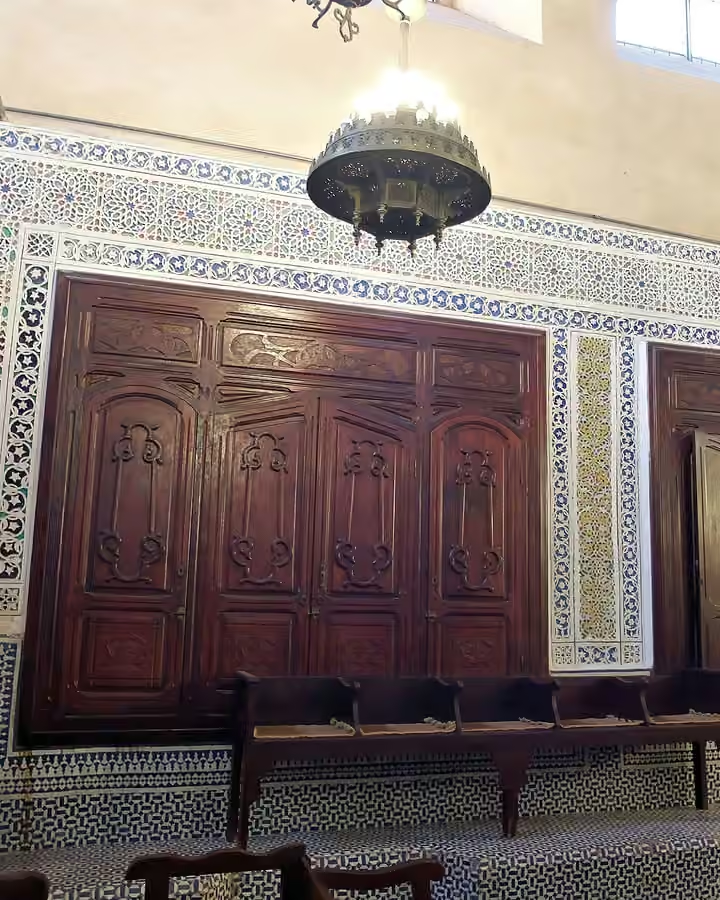
- Fes Ibn Danan
- Casablanca The museum
- Marrakech Slat al-Azama
- Licensed guidesprivate, your group only
- 1 to 11 daysa day tour or a journey
- 4 languagesEN, FR, ES, AR
- From Tangieror where you land
- Price on requestquote within 12 hours
- Free cancellationup to 48 hours before
Jewish Morocco
What Is a Morocco Jewish Tour?
A Morocco Jewish tour is a private guided trip to the places where Morocco's Jewish communities lived: the mellahs, or Jewish quarters, and the synagogues, cemeteries and museums of Tangier, Tetouan, Fes, Casablanca and Marrakech. Tour Guide Tangier runs them with licensed guides, as a day tour in Tangier or as a journey of 3 to 11 days, priced on request.
Jews have lived in Morocco for more than 2,000 years. After the expulsion from Spain in 1492, Sephardic families crossed the strait and settled in towns such as Tetouan and Fes, bringing their Spanish, their music and their customs. Tangier later became home to a large and cosmopolitan Jewish community.
Most Moroccan Jews left in the 1950s and 1960s, and the heritage stayed: restored synagogues, whitewashed cemeteries and a Jewish museum in Casablanca. Your guide tells the story in English, French, Spanish or Arabic, and the route follows your interests, from architecture to family roots.
Itineraries
Five Jewish Heritage Tours of Morocco
Every trip is private and priced on request. Take one as it is, change it, or ask us to build your own.
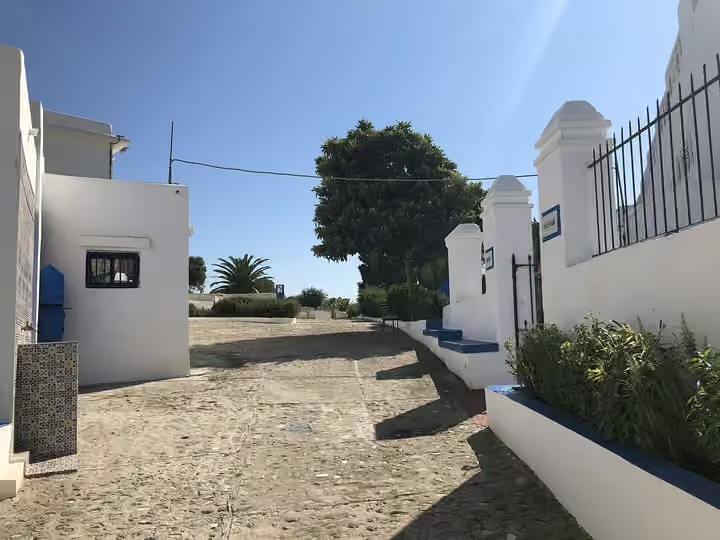
Jewish Heritage Day Tour in Tangier
- Tangier
Made for short stays, cruise passengers and travellers crossing from Spain: the Moshe Nahon Synagogue in the medina, the old Jewish quarter and the Jewish cemetery, with Tangier's main sights in between.
- Moshe Nahon Synagogue
- The old Jewish quarter
- The Jewish cemetery
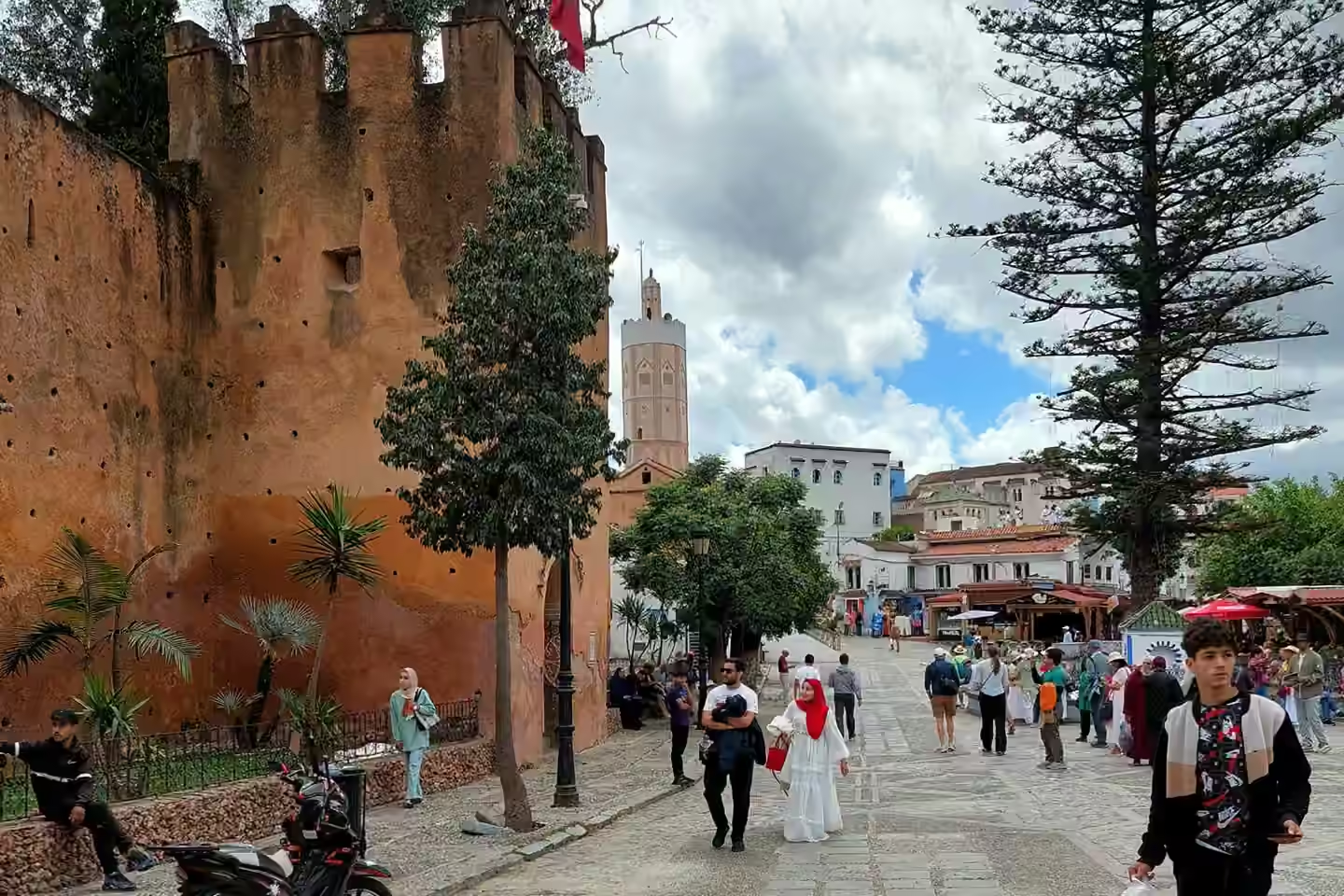
Northern Morocco Jewish Heritage Tour
- Tangier
- Tetouan
- Chefchaouen
The Sephardic north: Tangier, then Tetouan, once called Little Jerusalem for its Jewish community, and the blue town of Chefchaouen, which took in families from Andalusia after 1492.
- Tetouan's mellah
- The Isaac Ben Walid synagogue
- Chefchaouen's medina
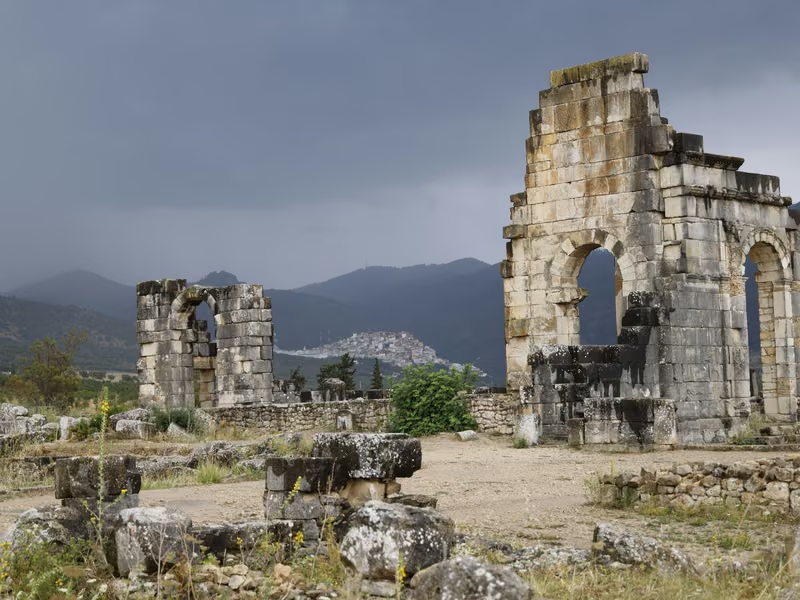
Jewish Imperial Cities Tour
- Rabat
- Meknes
- Fes
- Marrakech
Morocco's four imperial capitals, each with its mellah and the story of a Jewish community that lived close to the sultans' palaces.
- The mellah of Fes and the Ibn Danan Synagogue
- The mellahs of Meknes and Rabat
- Slat al-Azama in Marrakech
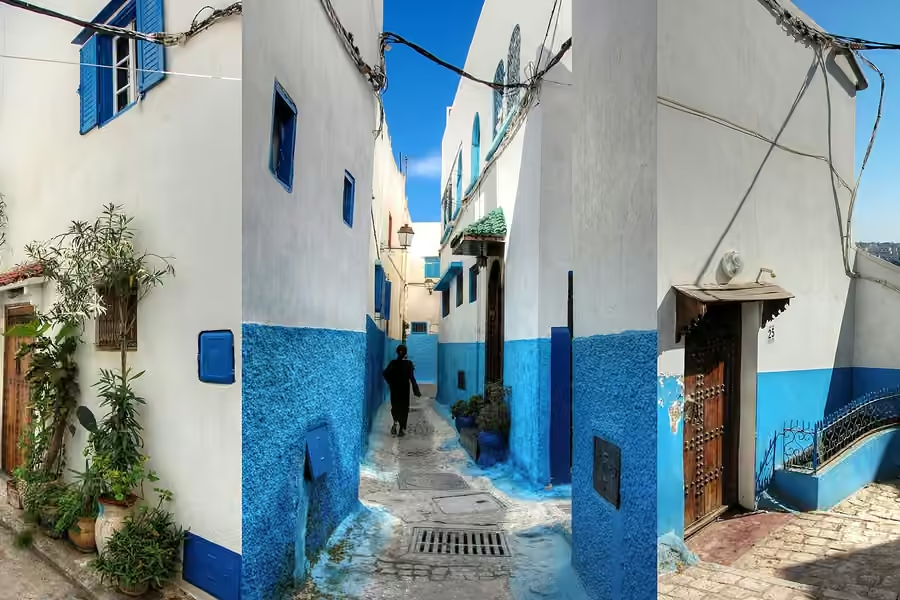
10-Day Morocco Jewish Heritage Tour
- Casablanca
- Rabat
- Fes
- Marrakech
The whole story in ten days: the Museum of Moroccan Judaism in Casablanca, Rabat, Fes, long a centre of Jewish learning, and the mellah of Marrakech with the Slat al-Azama synagogue.
- Museum of Moroccan Judaism
- Ibn Danan Synagogue, Fes
- Miara cemetery, Marrakech
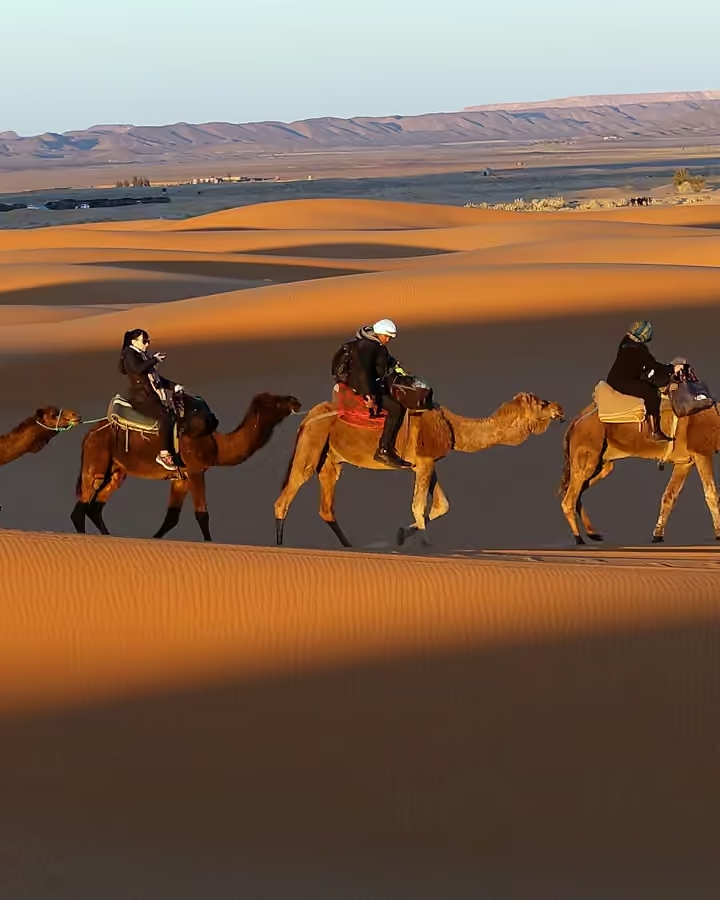
Jewish Heritage and Sahara Desert Tour
- Fes
- Merzouga
- Marrakech
Heritage and landscape: the synagogues and mellahs of the imperial cities, then south to the dunes of the Sahara and the Berber villages on the way to Marrakech.
- Synagogues and mellahs
- The dunes of Erg Chebbi
- Berber villages of the south
Prices depend on your dates, your group and, on multi-day tours, the hotel level. The day tour needs no deposit: you pay on the day. Multi-day tours take a 40% deposit once every detail is agreed and the invoice is sent, and the balance on the first day.
The route
From Sefarad to the Sahara
In 1492 the exiles crossed the same strait you can cross today in an hour. Each number is a town on the heritage route.
Tangier
Where the tours start
The Moshe Nahon Synagogue (1878) on the Rue des Synagogues, the old Jewish quarter of the medina and the Jewish cemetery.
Tetouan
About 1 h from Tangier
The mellah of 1807 and the Isaac Ben Walid synagogue, built in the early 19th century. The Sephardic heart of the north.
Chefchaouen
About 2.5 h from Tangier
The blue town, founded in 1471, took in Muslim and Jewish families from Andalusia after 1492.
Fes
About 4 h from Tangier
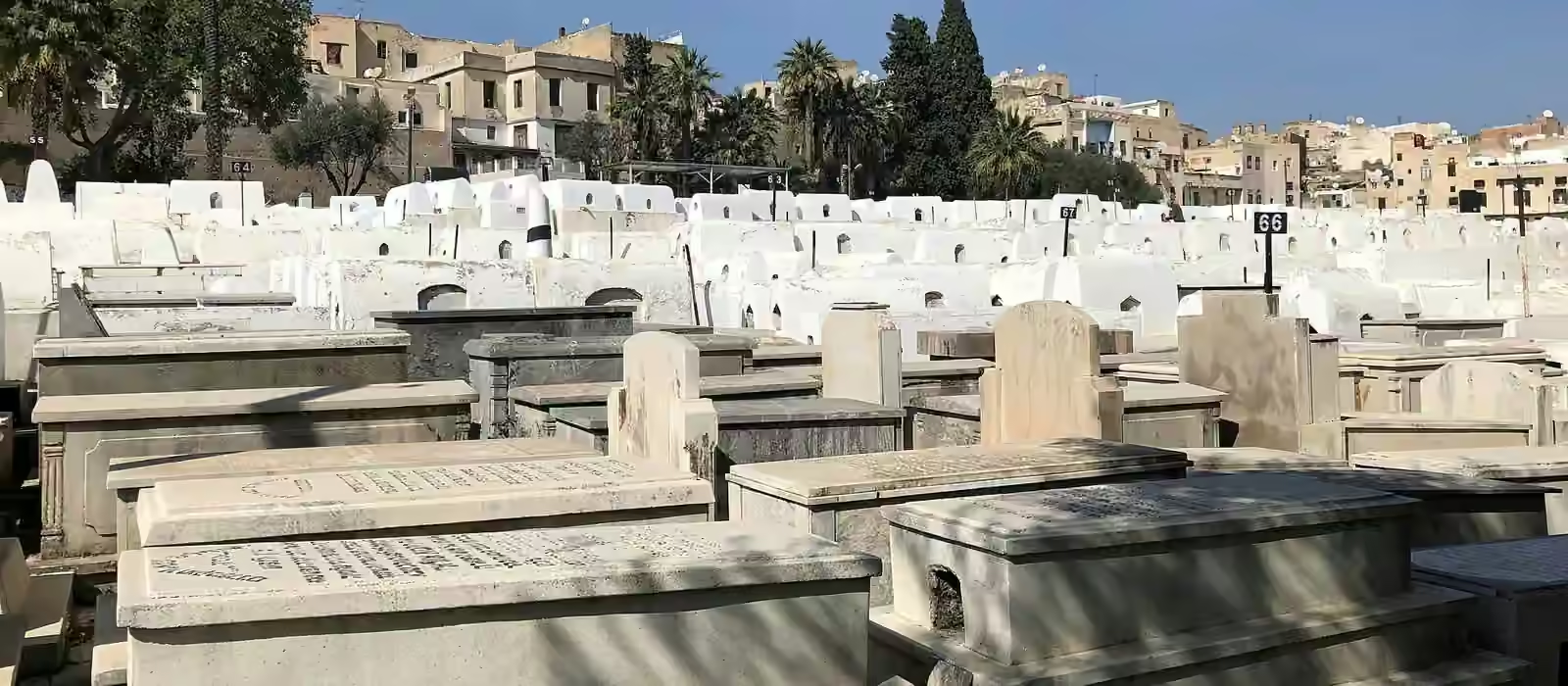
Morocco's first mellah (1438), the 17th-century Ibn Danan Synagogue and the Jewish cemetery with its white tombs.
Meknes
About 1 h from Fes
The mellah of the imperial city of Moulay Ismail, with the Roman ruins of Volubilis close by.
Rabat
About 3 h from Tangier
The mellah of the old medina, above the river Bou Regreg.
Casablanca
About 1 h 15 from Rabat
The Museum of Moroccan Judaism and the Beth-El Synagogue, in the city where most of Morocco's Jews live today.
Marrakech
About 3 h from Casablanca
The mellah, the Slat al-Azama synagogue and the Miara cemetery, the largest Jewish cemetery in Morocco.
Sahara
About 8 h from Fes
The dunes of Erg Chebbi at Merzouga, on the heritage and Sahara tour.
History
2,000 Years of Jewish Morocco
Antiquity
The first communities
Jewish communities live in Roman Mauretania Tingitana, the province named after Tingis, today Tangier.
1438
The first mellah
The Jews of Fes move to a new quarter beside the royal palace. Its name, the mellah, passes to every Jewish quarter in Morocco.
1492
Exile from Sefarad
Jews expelled from Spain, and in 1497 from Portugal, cross to Morocco. In the north their Spanish becomes Haketia.
1807
Tetouan's new mellah
Sultan Moulay Slimane moves the Jewish quarters of several towns, Tetouan among them, into new mellahs.
1878
Moshe Nahon Synagogue
The synagogue is built in the Tangier medina, on a street lined with synagogues.
1948 to 1970s
The great departure
Most of Morocco's Jews, around a quarter of a million people, leave for Israel, France, Canada and the Americas.
1997
A museum in Casablanca
The Museum of Moroccan Judaism opens, often described as the only Jewish museum in the Arab world.
2011
In the constitution
Morocco's new constitution names its Hebrew heritage as part of the national identity.
What you visit
Synagogues, Mellahs and Cemeteries
The places our Jewish heritage tours visit, town by town. Opening days vary, so we check them before your trip.
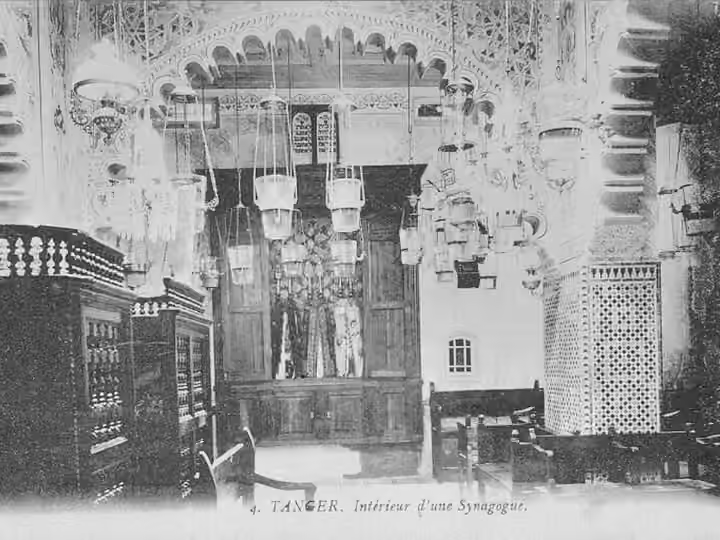
Moshe Nahon Synagogue and the old medina
Built in 1878 on the Rue des Synagogues, the Moshe Nahon Synagogue recalls the years when Tangier's Jewish community filled the medina with synagogues, schools and shops. The Jewish cemetery keeps its rows of whitewashed tombs.
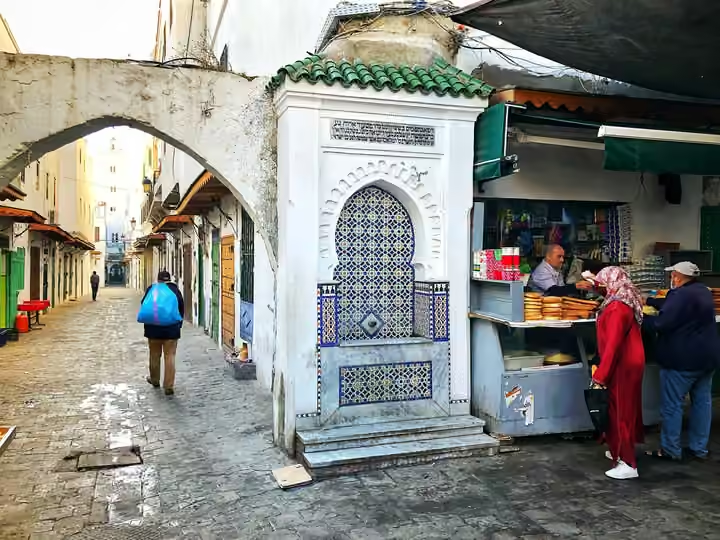
The mellah of Little Jerusalem
Tetouan's Sephardic community gave the city its nickname. Walk the mellah of 1807, see the Isaac Ben Walid synagogue from the early 19th century, and hear about Haketia, the Judeo-Spanish of the north.
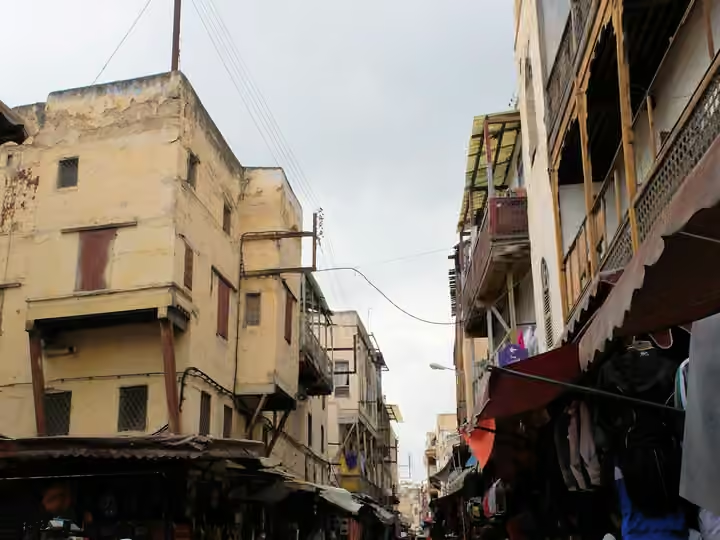
Ibn Danan Synagogue and the mellah of Fes
The mellah of Fes, created in 1438, is the oldest in Morocco. Its 17th-century Ibn Danan Synagogue has been restored, and the Jewish cemetery beside the mellah is a field of white tombs.
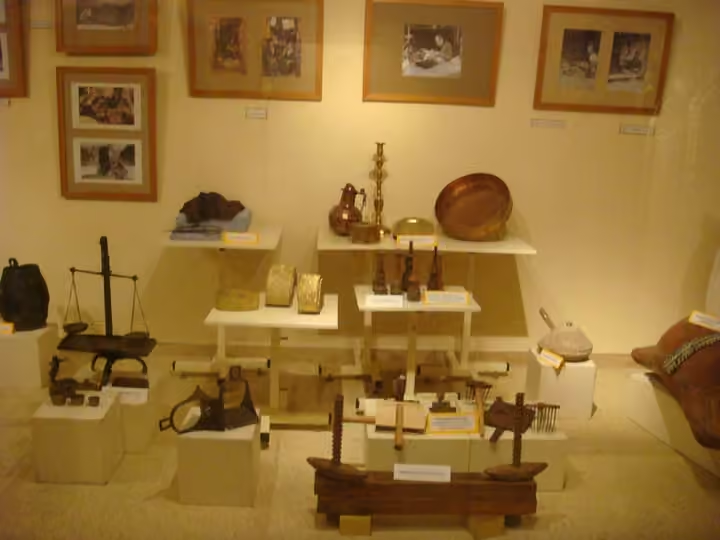
Museum of Moroccan Judaism
Opened in 1997, the museum shows ritual objects, costumes, jewellery and photographs of Jewish life across Morocco. Casablanca is also home to most of Morocco's Jews today.
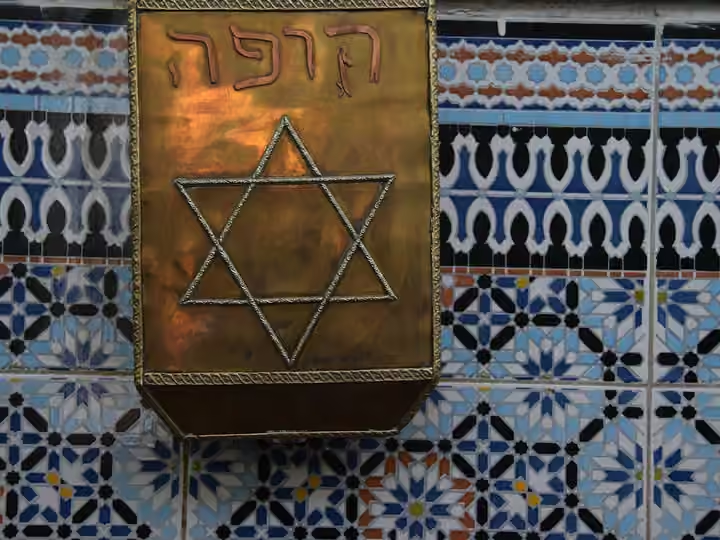
Slat al-Azama and the Miara cemetery
In the mellah of Marrakech, the Slat al-Azama synagogue, traditionally linked to the exiles of 1492, welcomes visitors, and the Miara cemetery is the largest Jewish cemetery in Morocco.
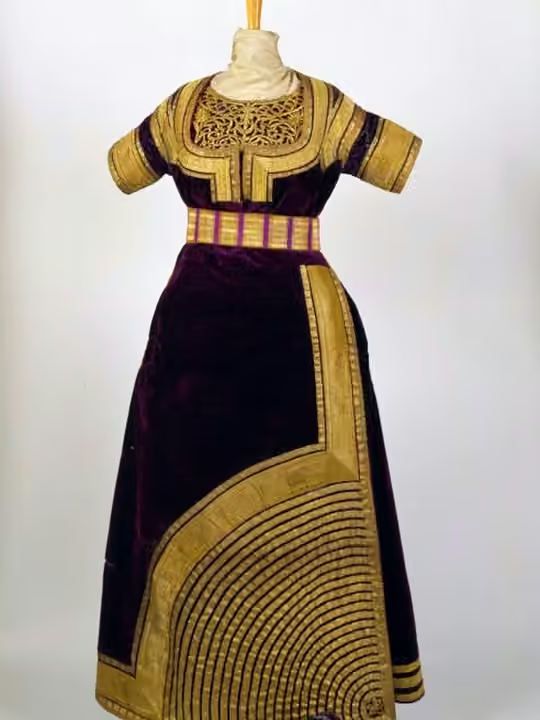
The keswa kbira and Sephardic customs
The velvet and gold wedding dress of Tetouan's Jewish brides, Andalusian liturgical music, the Mimouna feast at the end of Passover and dafina, the Shabbat stew: your guide brings the traditions behind the buildings to life.
Why us
Why Book Your Heritage Tour with Us
Licensed guides
Every tour is led by a licensed guide from our team of 10, who tells the story behind every door.
Private, at your pace
Your guide and your car are for your group alone. Stay longer in a synagogue, skip what does not interest you.
Planned around Shabbat
Tell us your dates and we plan the route around Shabbat and the Jewish holidays.
Close to Spain and the port
Tangier is an hour by ferry from Tarifa, and we meet cruise ships at both ports.
Nothing to pay to ask
Your plan and price arrive within 12 hours. The day tour needs no deposit.
Four languages
Tours in English, French, Spanish or Arabic, with the Hebrew and Haketia words explained.
Good to know
Before Your Jewish Heritage Tour
Opening days
They vary
Some synagogues are museums with opening hours, others open by arrangement, and some close on Saturdays and Jewish holidays. We check before your trip.
Kosher food
Plan ahead
Kosher restaurants are found mainly in Casablanca and Marrakech. Elsewhere we plan your meals with you before the trip.
Dress
Modest
Cover shoulders and knees in synagogues and cemeteries. Men may be asked to cover their heads.
Best time
Spring and autumn
Mild days for walking the mellahs. Summer is hot inland, in Fes and Marrakech above all.
Hilloula
Pilgrimage days
Pilgrims gather at the tombs of revered rabbis on the anniversary of their death. Ask us if your dates match one.
From Spain
One hour by ferry
Tarifa to Tangier Ville takes about an hour. You book the ferry, and your guide meets you at the port.
Guest reviews
What Our Guests Say
Rated 4.9 from 85 reviews on Google.
★★★★★
Fadi explained everything clearly and made the whole day fun and interesting. We couldn't have asked for a better experience.
Laura S.Tangier Full Day Tour
★★★★★
Loved exploring Tetouan with Fadi. Great pace, fun stories and a beautiful medina.
Dani L.Tetouan Tour
★★★★★
Fadi took great care of us, showed us hidden gems, and made us feel like locals. Highly recommended!
John S.Tangier Full Day Tour
Plan your trip
Ask for Your Jewish Heritage Tour
Questions
Morocco Jewish Tours: Your Questions
Is Morocco a good destination for Jewish heritage travel?
Yes. Jews lived in Morocco for more than 2,000 years, and synagogues, mellahs, cemeteries and a Jewish museum in Casablanca are preserved and open to visitors. Morocco's constitution names its Hebrew heritage as part of the national identity.
Can I visit synagogues and Jewish cemeteries?
Yes. Some synagogues are museums, others open by arrangement, and the main cemeteries welcome visitors. Opening days vary, so we check them before your trip.
Is kosher food available in Morocco?
Kosher restaurants are found mainly in Casablanca and Marrakech. Elsewhere we plan your meals with you before the trip.
Can the tour be planned around Shabbat?
Yes. Every tour is private, so we plan the route around Shabbat and the Jewish holidays. Tell us your dates and needs when you write.
How much does a Jewish heritage tour cost?
Every tour is priced on request, because the price depends on your dates, your group and, on multi-day tours, the hotel level. Send us your plans and you receive a quote within 12 hours. The day tour in Tangier needs no deposit; multi-day tours take a 40% deposit once the invoice is sent.
Which tour is best for a first visit?
Arriving in the north, from Spain or on a cruise: the day tour in Tangier. With three days, the northern tour adds Tetouan and Chefchaouen. For the whole story across Morocco, the 10-day tour.
Plan it
Start Your Journey Through Jewish Morocco
- Reply within 12 hours
- Private tours
- Free cancellation up to 48 hours
Photos from Wikimedia Commons, cropped: the Ibn Danan Synagogue, Fes by R Prazeres (CC BY-SA 4.0); an old postcard of a Tangier synagogue by an unknown photographer (public domain); the mellah of Tetouan by Yamen (CC BY-SA 4.0); the mellah of Fes by Robert Prazeres (CC BY-SA 4.0); Slat al-Azama, Marrakech by Noahedits (CC BY-SA 4.0); the Museum of Moroccan Judaism by dlisbona (CC BY 2.0); a keswa kbira from Tetouan by Musée d'Art et d'Histoire du Judaïsme (CC BY-SA 4.0); the Jewish cemetery of Fes by Yamen (CC BY-SA 4.0); the Jewish cemetery of Tangier by Yamen (CC BY 4.0); the Kasbah of the Udayas, Rabat by Alllexxxis (CC BY-SA 3.0); a camel caravan in the Sahara by Fbrandao.1963 (CC BY-SA 4.0). The Tangier postcard is in the public domain.


,_T%C3%A9touan,_Morocco,_late_19th_century.jpg)


.jpg)