The Tangier JournalWritten by licensed guides
What to eat · Moroccan food, dish by dish
Moroccan Food: 15 Traditional Dishes to Try
Moroccan food is slow-cooked, fragrant and made to share: tagines, Friday couscous, pastilla, harira and warm bread at every meal. Licensed guides in Tangier pick the traditional dishes to try in Morocco, what each one tastes like and where locals eat it.
In this article 20 sections
In short
Moroccan food at a glance
Moroccan food is built on bread, olive oil, vegetables and legumes, with lamb, beef, chicken or fish cooked slowly with spices such as cumin, ginger, saffron, cinnamon and paprika. It is fragrant and rarely hot, and the main dish is shared from one plate.
The traditional dishes to try first are tagine, couscous, pastilla, harira, bissara, the cooked salads, grilled brochettes, fresh bread, mint tea and almond pastries. In Tangier, add two favourites of the north: kalinte, a warm chickpea tart sold by the slice, and fish that comes straight from the port.
- 01TagineLunch, the main meal of the day
- 02CouscousFriday lunch
- 03Pastilla
- 04HariraSunset in Ramadan, and all year in cafés
- 05BissaraBreakfast, above all in winter
- 06Kalinte
- 07Moroccan salads
- 08Brochettes and keftaEvening, when the grills are lit
- 09Fresh fish
- 10Mechoui, tanjia and rfissaWeddings, Eid and family gatherings
- 11Bread
- 12Moroccan breakfastFrom about 7 to 10 in the morning
- 13Street foodLate afternoon and evening
- 14Mint tea
- 15Pastries and sweets
Short on time? The Tangier food tour covers kalinte, bissara, bread from a community oven, a main dish and mint tea in three to four hours.
Moroccan cuisine is a mix of Amazigh (Berber), Arab, Andalusian and Mediterranean cooking. The Amazigh kitchen gave it couscous, flatbreads and slow stews; the spice trade and Arab cooks brought saffron, cinnamon and the taste for meat with dried fruit; Andalusian and Jewish cooks who crossed from Spain added their pastries and fish dishes. In the north you can still taste Spain: Tangier's favourite street snack, kalinte, takes its name from the Spanish word for hot.
Food in Morocco follows a daily rhythm. Breakfast is bread, olive oil and tea. Lunch is the main meal of the day, and on Fridays many families sit down to couscous after the midday prayer. Dinner is lighter and late. A meal usually opens with cooked salads, bread goes with everything, and the main dish arrives in one plate for the whole table.
At a family table, eat from the side of the dish in front of you, with your right hand, using a piece of bread to pick up the food. Restaurants give you cutlery. Either way you will be offered more than you can finish: that is Moroccan hospitality, so pace yourself.
The dish named after its pot
1. Tagine
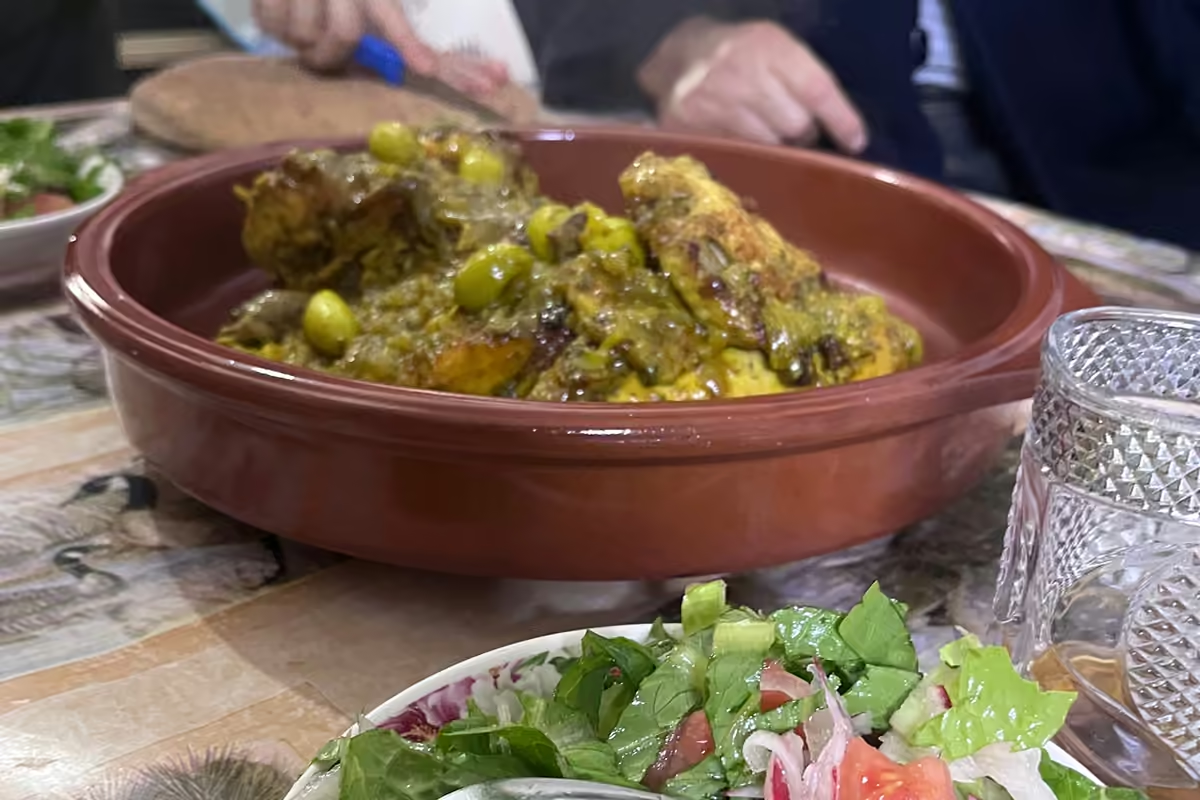
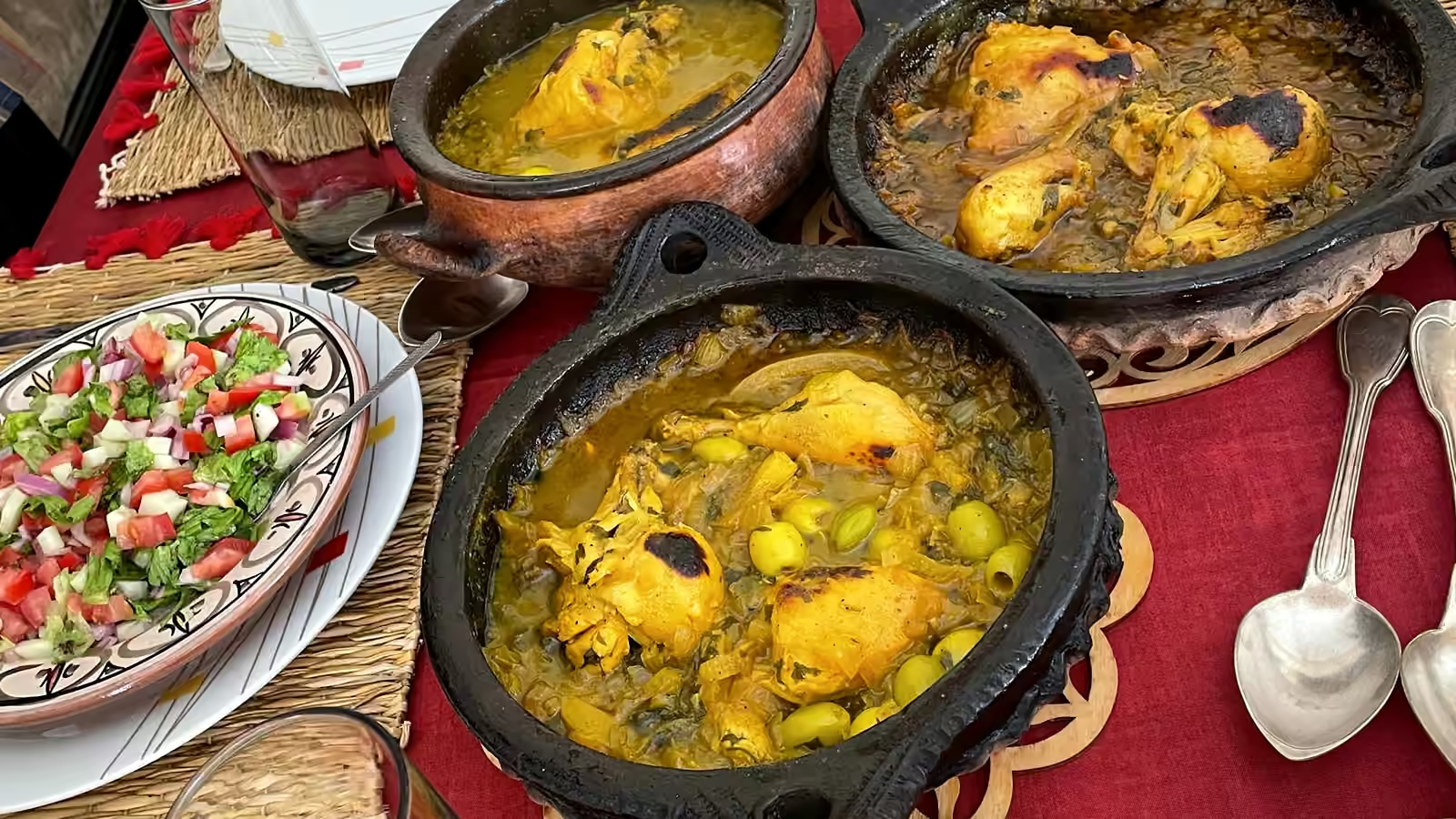
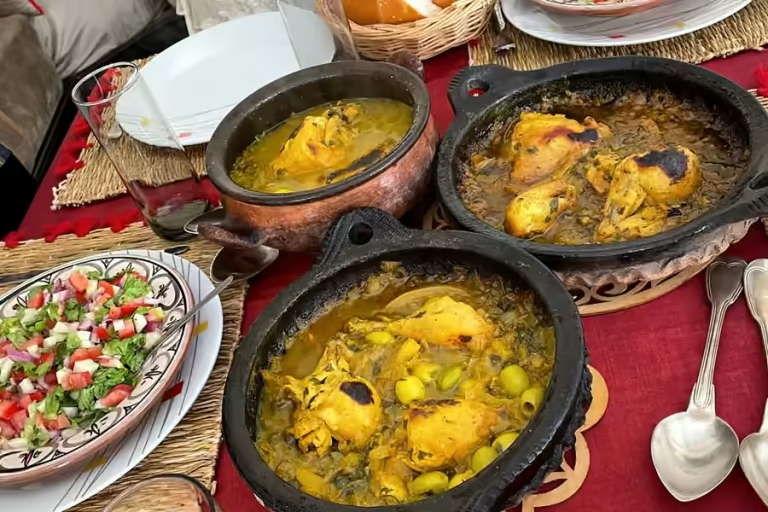
Tagine is the dish most visitors eat first, and it is named after the pot it cooks in: a shallow clay dish with a tall cone-shaped lid that sends the steam back down, so the meat and vegetables stew slowly with their spices in their own juices. The classics are chicken with preserved lemon and green olives, lamb or beef with prunes and almonds, and kefta, meatballs in tomato sauce with eggs cracked on top at the end.
A good tagine takes hours of slow cooking, so the best ones are served at lunch, in family homes and in small restaurants that start cooking in the morning. On the coast you will also find fish tagine, with tomatoes, peppers and potatoes. Every family has its own recipe. Scoop it up with bread and eat from your side of the dish.
- Order
- Chicken with preserved lemon and olives, or kefta with eggs
- Best time
- Lunch, the main meal of the day
- Where
- Everywhere, from street cafés to family homes
Friday lunch
2. Couscous
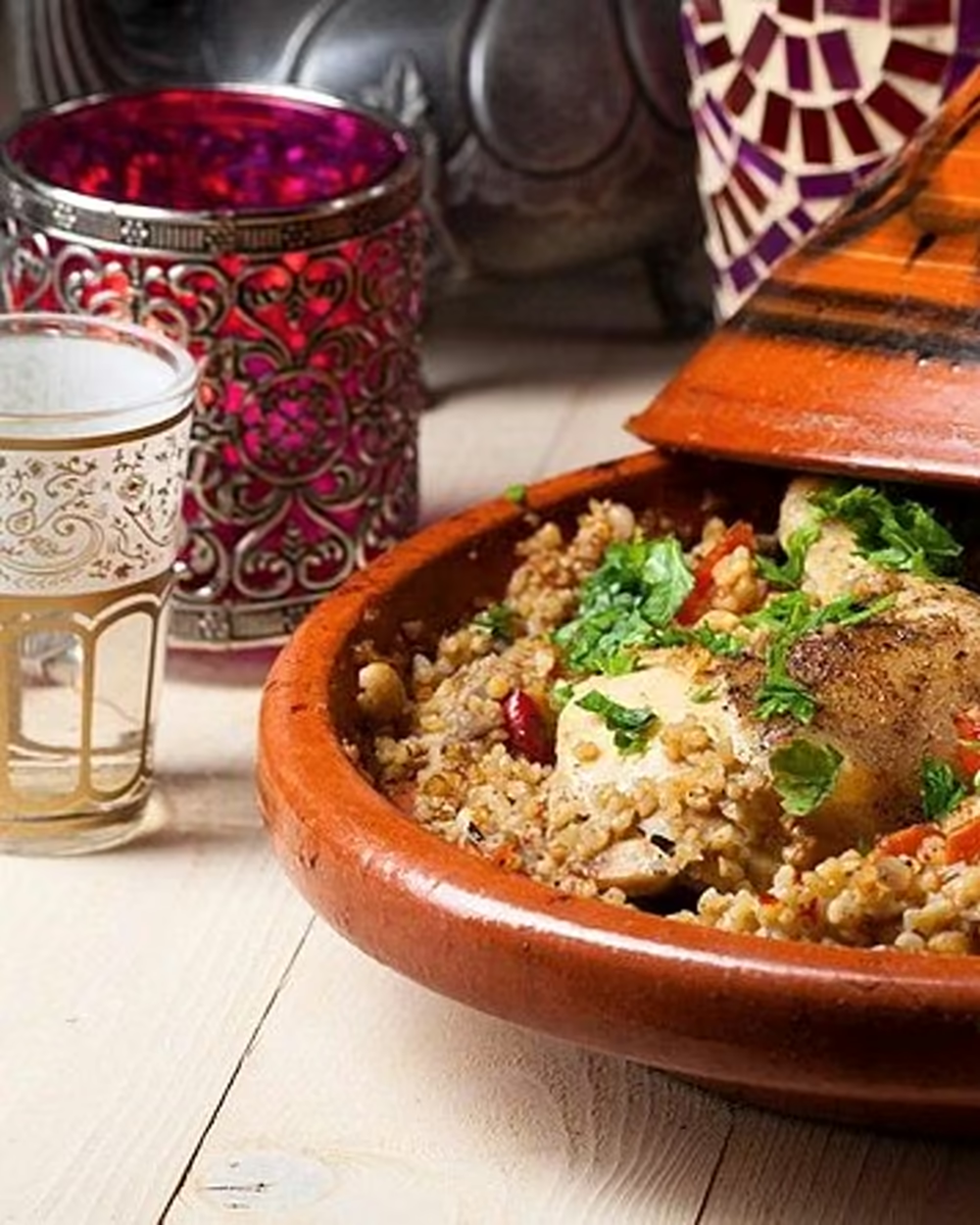
Couscous is semolina rolled into tiny grains and steamed over a pot of simmering meat and vegetables, then served in a large dish with the stew on top. Couscous with seven vegetables is the classic; couscous tfaya adds onions caramelised slowly with raisins and cinnamon. It is often called the national dish of Morocco, and in 2020 UNESCO listed the knowledge and practices of couscous, shared by Morocco, Algeria, Tunisia and Mauritania, as intangible cultural heritage.
Friday is couscous day: families gather for it after the midday prayer, and many restaurants cook it only on Fridays. On other days, ask for it in advance, or learn Moroccan cooking yourself at a cooking class, where you steam it the traditional way.
- Best day
- Friday lunch
- Order
- Couscous with seven vegetables, or tfaya with caramelised onions
Sweet and savoury
3. Pastilla
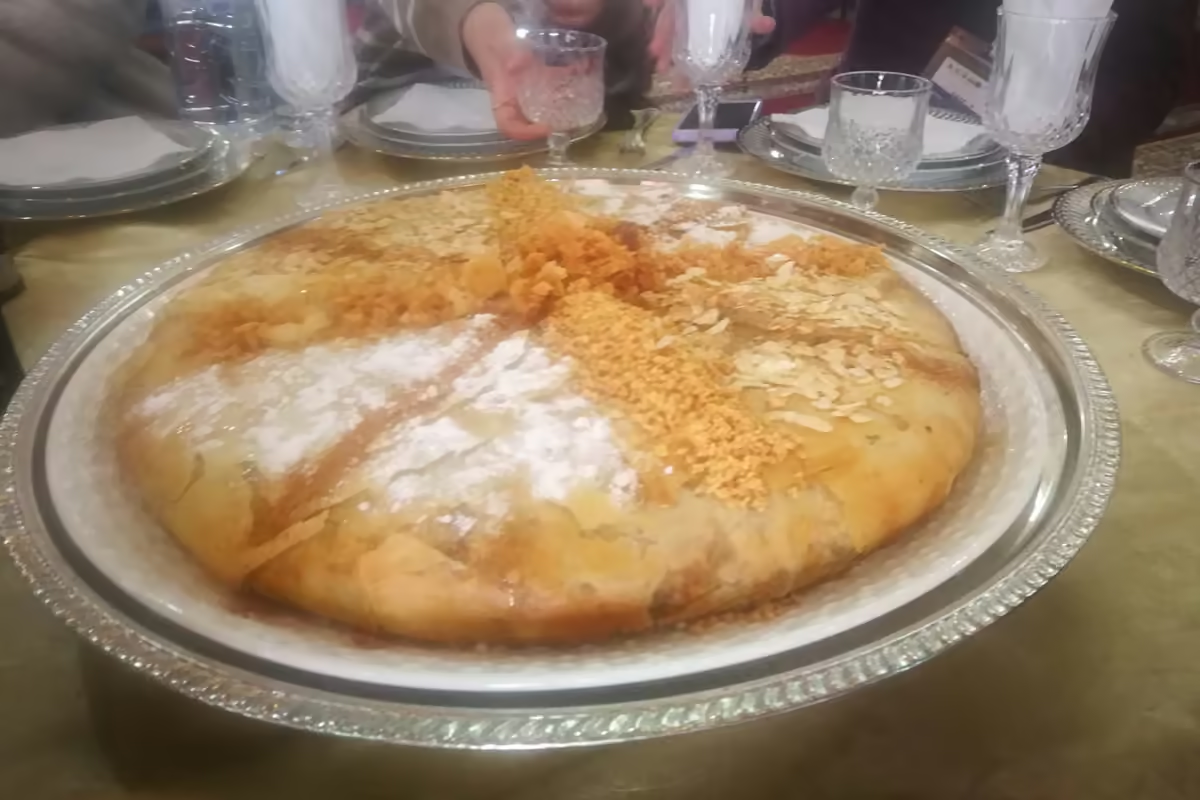
Pastilla, also spelled bastilla or bstilla, is a round pie of paper-thin warqa pastry filled with spiced chicken or pigeon, eggs and fried almonds, baked until crisp and dusted with icing sugar and cinnamon. Sweet on the outside and savoury inside, it is the dish that surprises visitors most.
It is made for weddings and guests, so it often opens a feast. In the ports of the north, look for seafood pastilla, filled with fish, prawns and vermicelli and served without the sugar.
- Try
- Chicken pastilla, or seafood pastilla on the coast
- Good for
- Sharing, as a starter for the table
The soup of Ramadan
4. Harira
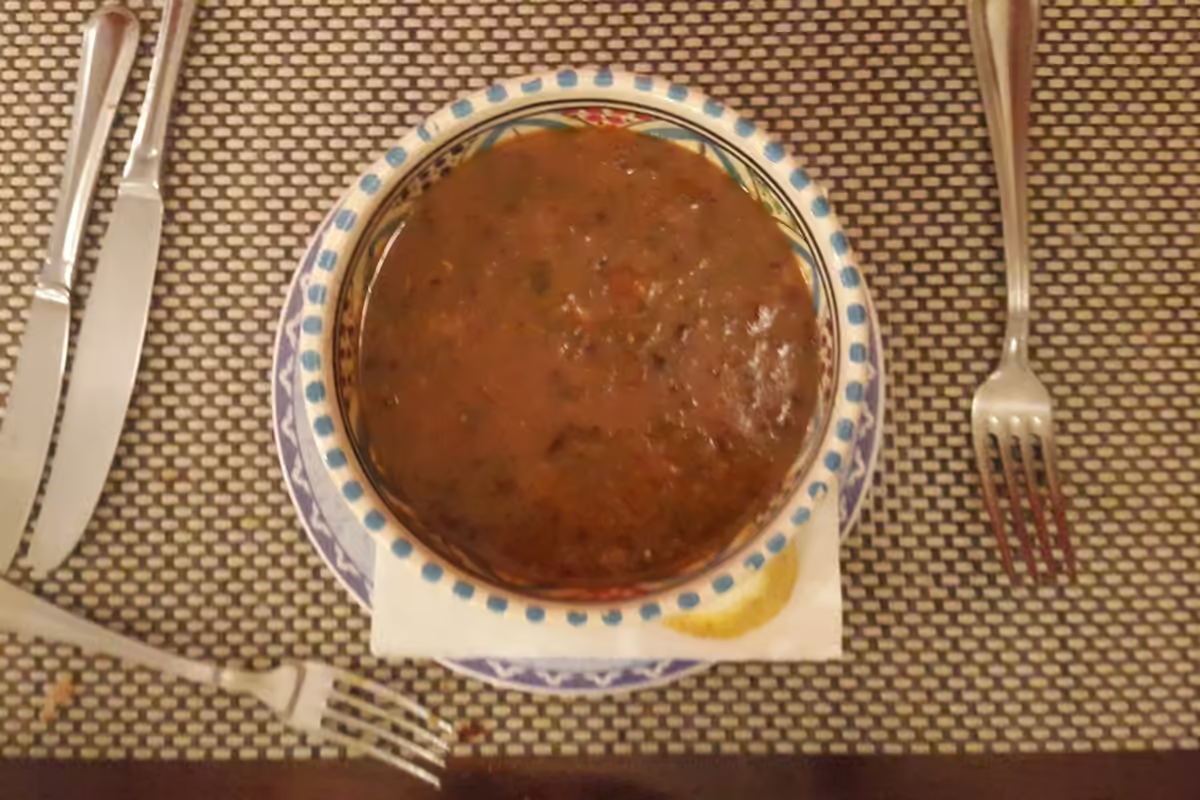
Harira is the Moroccan soup you will meet everywhere: a thick tomato soup with lentils, chickpeas and fresh herbs, coriander and parsley, sometimes with small pieces of lamb, thickened at the end with a little flour and water. A squeeze of lemon goes in at the table.
During the month of Ramadan it is the soup that breaks the fast at sunset, served with dates, hard-boiled eggs and chebakia, the honey-soaked pastry. The rest of the year it is a cheap, filling lunch or dinner in small cafés.
- When
- Sunset in Ramadan, and all year in cafés
- Tip
- Ask for dates on the side, the way locals eat it
Breakfast in the north
5. Bissara
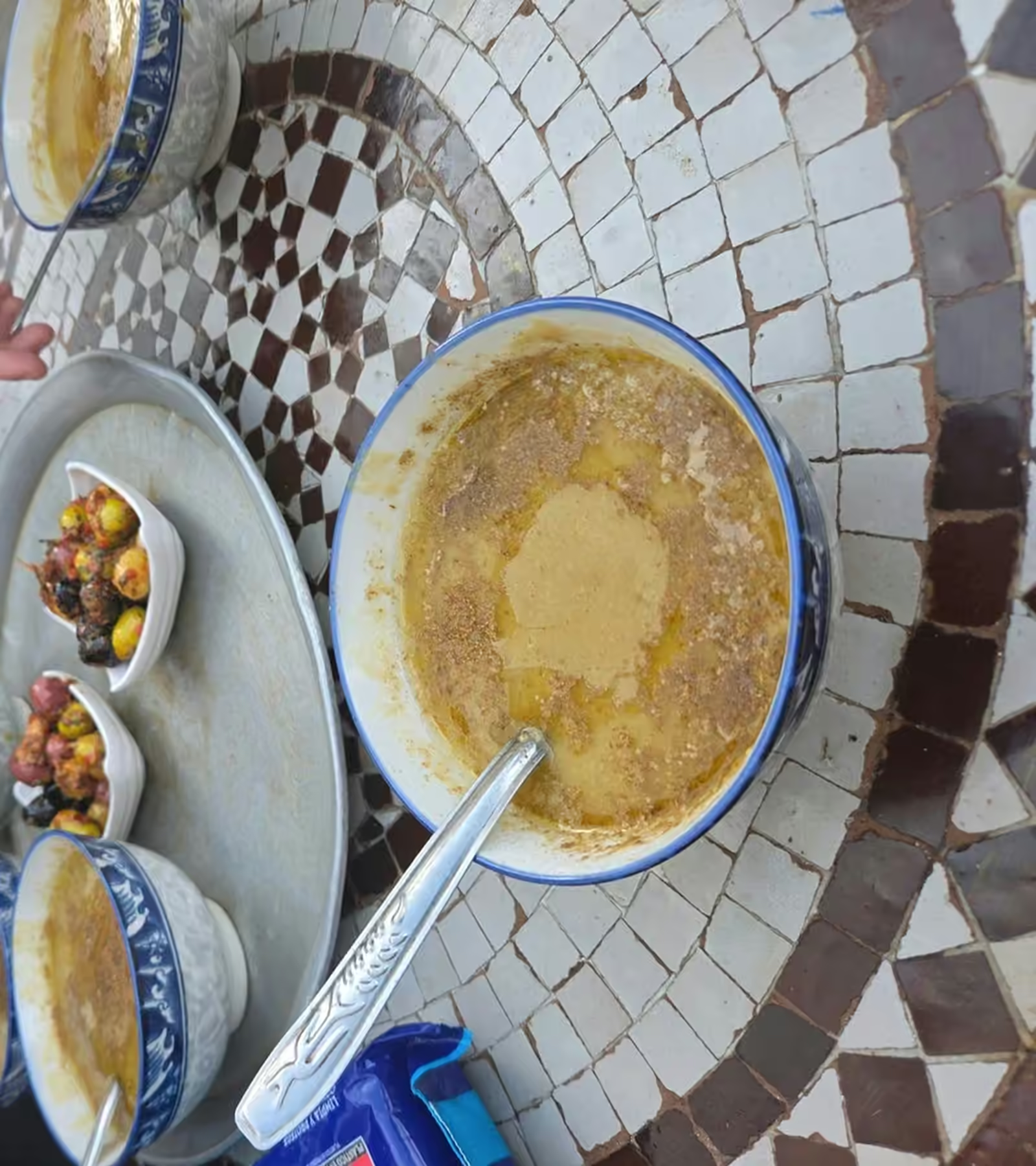
Bissara is a soup of dried split fava beans cooked with garlic until smooth, then finished with olive oil, cumin and paprika. It is warm, filling and costs very little, which makes it the winter breakfast of workers and students across the north of Morocco, eaten with bread and a glass of tea.
In Tangier it is served from big pots in small cafés from early morning. It is vegan as it is, and one of the first tastings on our food tour.
- When
- Breakfast, above all in winter
- Where
- Small cafés in the medina of Tangier
Eat where the locals queue, order what is cooking now, and leave room: in a Moroccan home, the next dish is always coming.
Tangier's street snack
6. Kalinte (calentica)
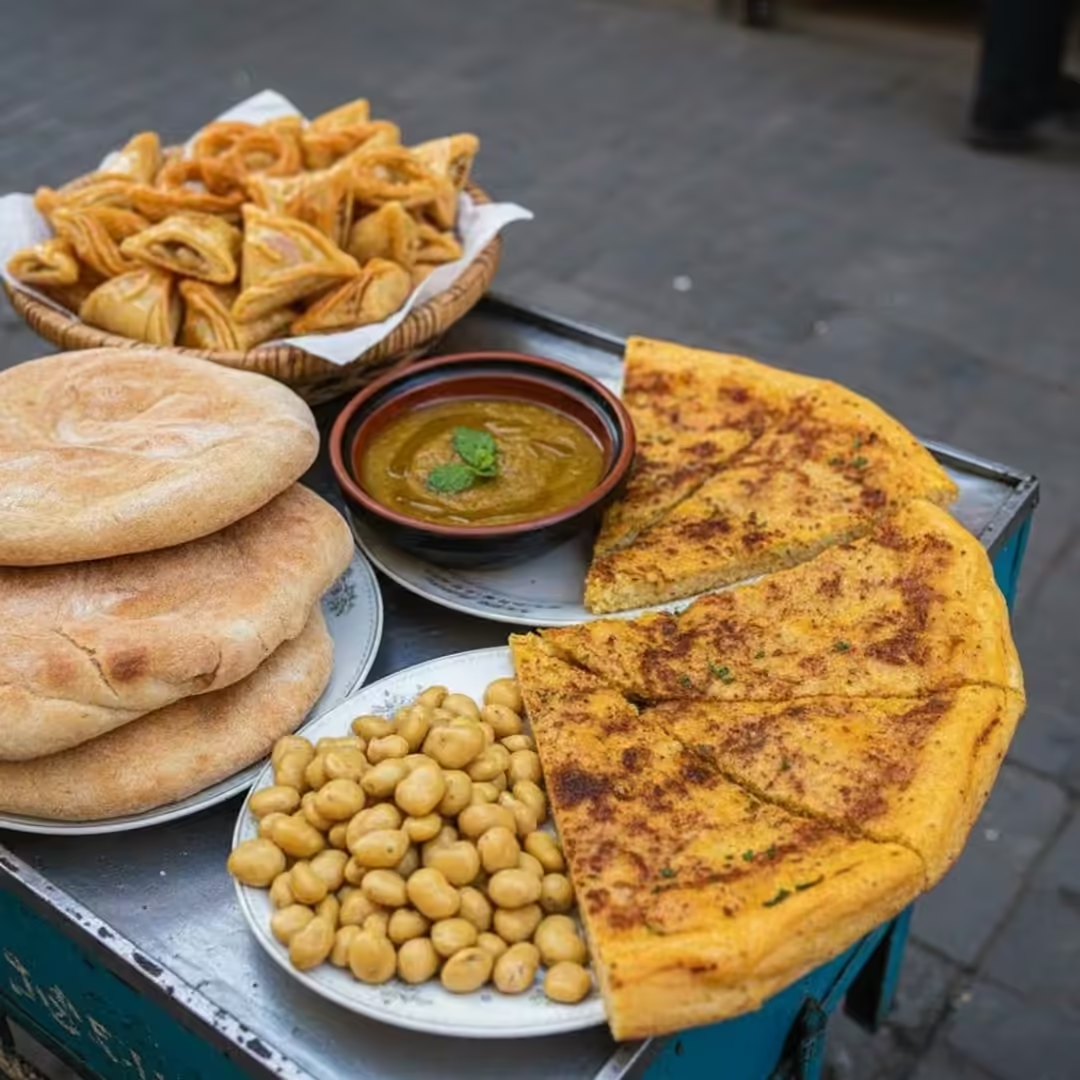
Kalinte, or calentica, is Tangier's own street snack: a savoury tart of chickpea flour, water and oil, often with egg, baked in wide round trays until the top turns golden. Vendors cut it into squares, sprinkle salt and cumin on top and serve it warm, on its own or inside a piece of bread.
The name comes from the Spanish word caliente, hot, and the same dish exists across the Strait in Gibraltar, where it is called calentita. In Tangier, eat it hot from the tray in the medina.
- Where
- Street stalls in the medina of Tangier
- Tip
- Ask for salt and cumin on top
How a meal begins
7. Zaalouk, taktouka and the cooked salads
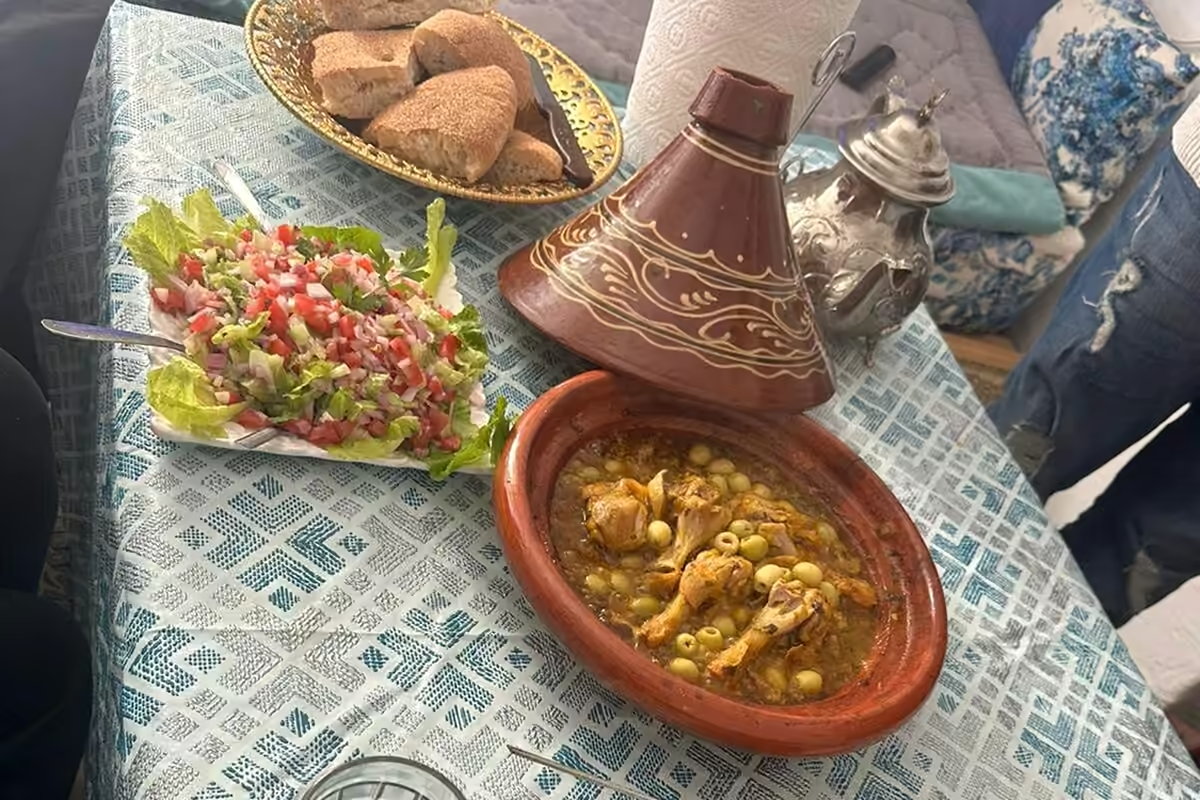
A Moroccan meal opens with small plates of salads, most of them cooked: zaalouk, aubergine and tomato stewed with garlic, cumin and paprika until soft enough to spread on bread; taktouka, roasted green peppers with tomato; carrots with cumin; beetroot; and a fresh salad of diced tomato, cucumber and onion.
They arrive together and you dip into all of them with bread before the main dishes. For vegetarians they make a meal on their own.
- Try
- Zaalouk and taktouka with warm bread
- Good for
- Vegetarians and vegans
From the grill
8. Brochettes and kefta
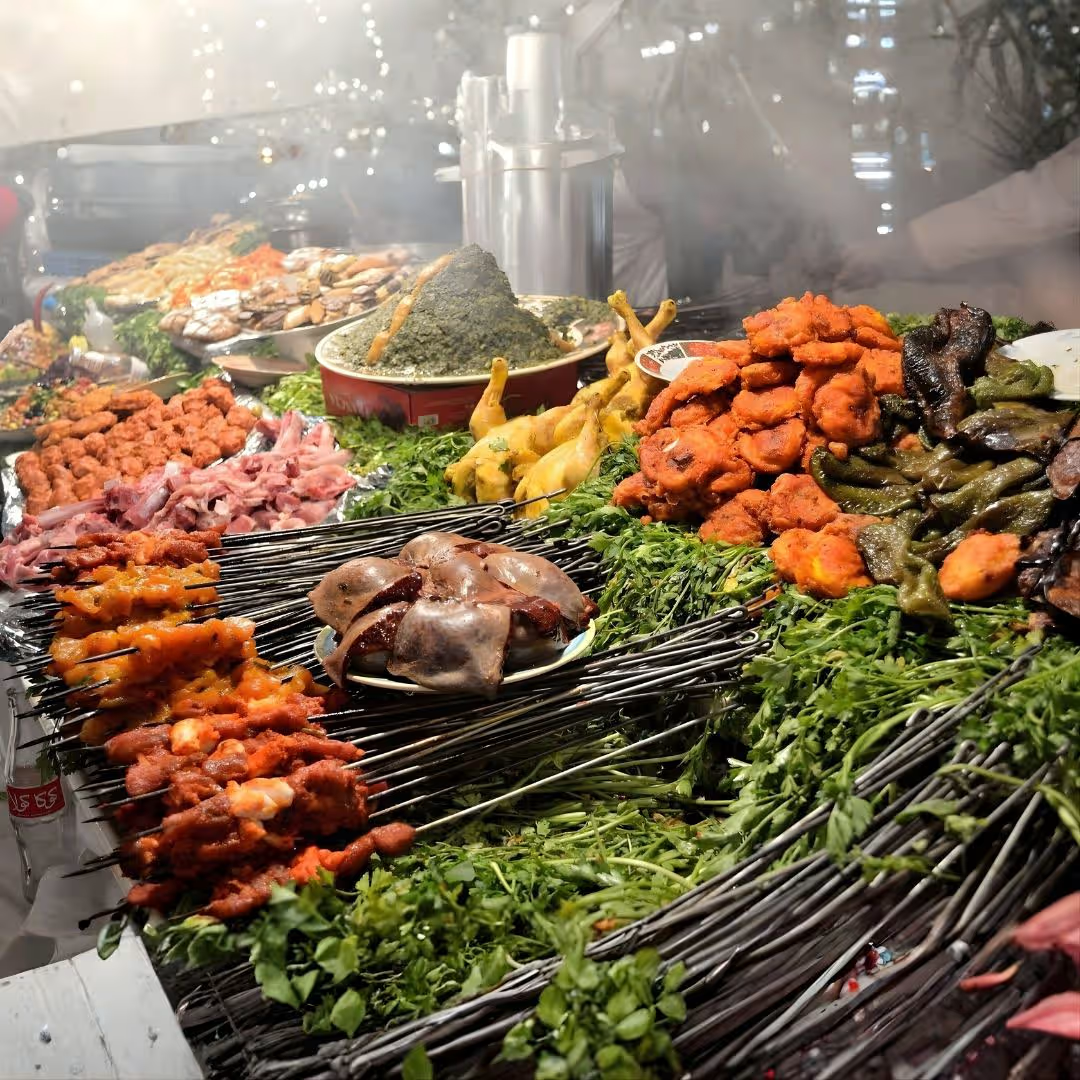
Brochettes are small skewers of beef, lamb, chicken or liver grilled over charcoal; kefta is minced beef or lamb mixed with onion, parsley, coriander, cumin and paprika, shaped on skewers or into patties. At a grill stall you often choose the meat yourself and watch it cook.
They come with bread, a tomato and onion salad and a pinch of salt and cumin. Ask for a mix, and share.
- When
- Evening, when the grills are lit
- Tip
- Pick a busy stall where the meat is cooked to order
Two seas, one port
9. Fresh fish and seafood
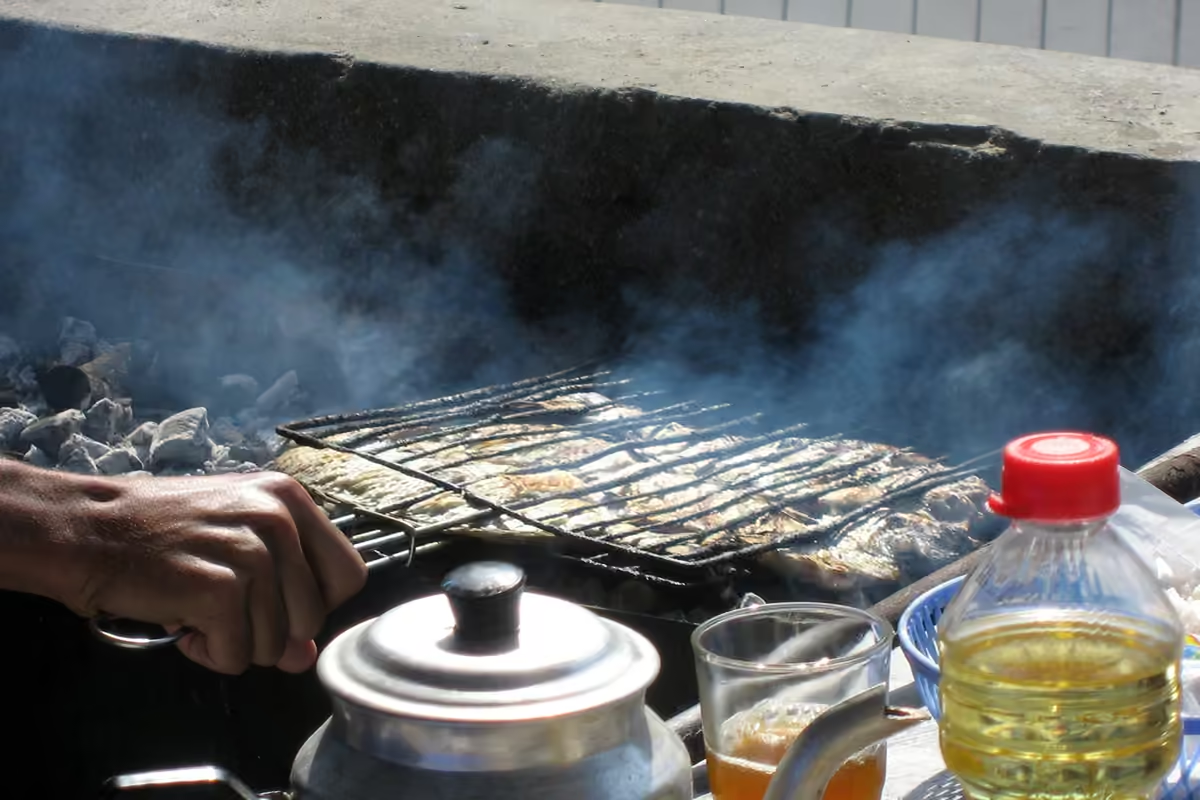
Morocco has two coasts, and Tangier sits where the Atlantic meets the Mediterranean, so fish is part of everyday cooking here. Sardines grilled over charcoal, fried fish, prawns in garlic and chilli and fish tagine are all easy to find, and the catch comes straight from the port.
Morocco is one of the world's great sardine producers, and sardines are the cheapest fish on the menu. In many fish restaurants you choose your fish at the counter and pay by weight.
- Try
- Grilled sardines, fried fish, fish tagine
- Where
- Fish restaurants near the port
Dishes for big days
10. Mechoui, tanjia and rfissa
Some dishes are kept for special occasions. Mechoui is a whole lamb or a shoulder roasted slowly until it falls apart, eaten with the fingers and a pinch of salt and cumin; it is the centre of weddings and of Eid al-Adha. Tanjia, the dish of Marrakech, is beef cooked for hours with preserved lemon, garlic and spices in a clay jar set in the embers of a hammam furnace.
Rfissa is shredded msemen pancakes under chicken and lentils, in a broth scented with fenugreek and ras el hanout, cooked for family gatherings and, by tradition, for a mother after a birth. These dishes are made for an occasion, so ask a day ahead.
- When
- Weddings, Eid and family gatherings
- Tip
- Ask a day ahead for mechoui
On every table
11. Khobz, msemen and baghrir
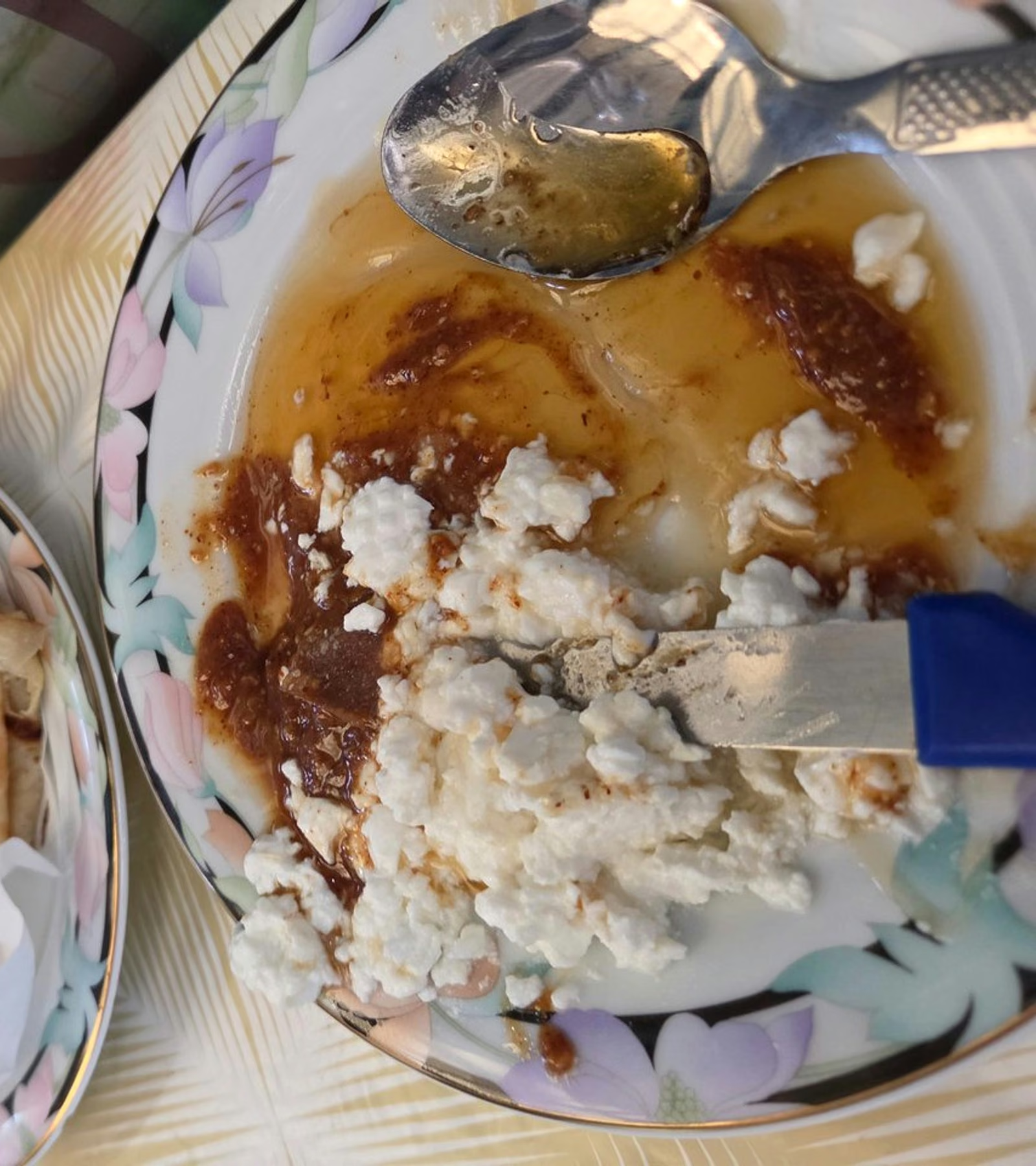
Bread comes with every meal and works as the spoon. Khobz is the round, flat loaf; in the old towns many families still shape the dough at home and carry it to the communal oven of the neighbourhood, the ferran, where the baker bakes it for a small fee.
From the griddle come msemen, a square, flaky pancake folded in layers; baghrir, the spongy semolina pancake with a thousand holes; and harcha, a crumbly semolina bread. Eat them warm with butter and honey, olive oil, or amlou, a spread of almonds, argan oil and honey.
- Where
- Bakeries and street stalls in the morning
- Try
- Msemen with honey, or baghrir with amlou
How the day starts
12. A Moroccan breakfast
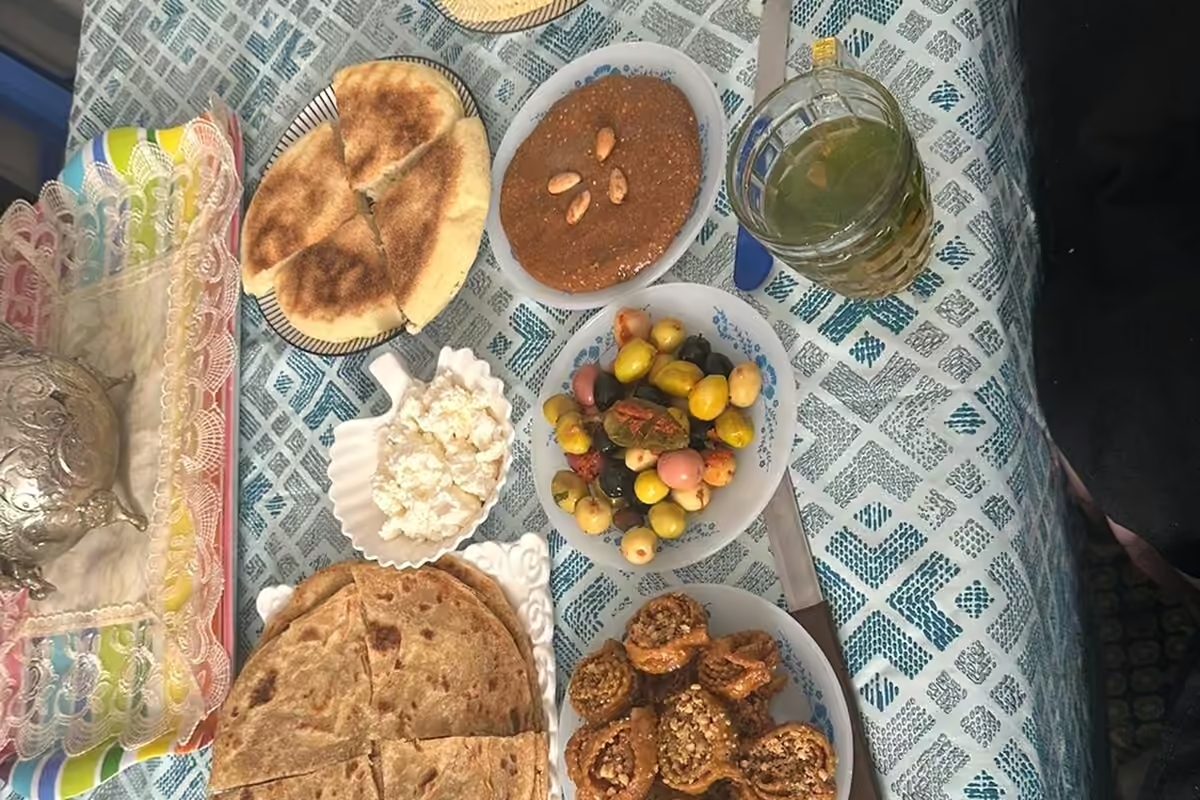
A traditional Moroccan breakfast is bread or griddle breads with olive oil, olives, fresh jben cheese, eggs, honey and amlou, with mint tea or coffee with milk and a glass of fresh orange juice. In winter, add a bowl of bissara or harira.
At a café it is quick and cheap; in a riad or a family home it becomes a long spread. Street stalls sell sfenj, rings of fried dough, from early morning.
- When
- From about 7 to 10 in the morning
- Try
- Msemen, jben cheese, olives and mint tea
Between meals
13. Moroccan street food: sfenj, maakouda and snail soup
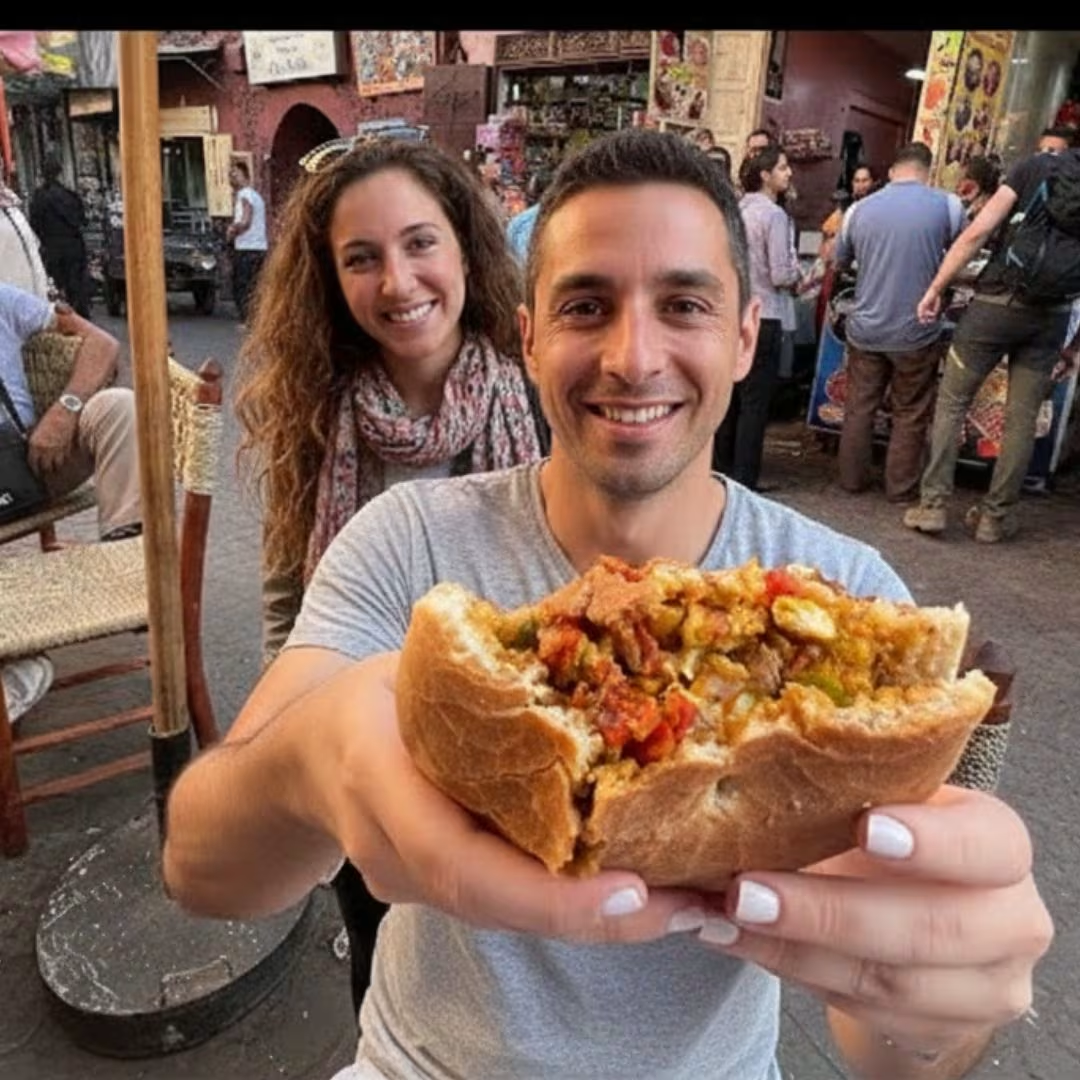
Moroccan street food is cheap, fresh and best where the queue is long. Sfenj are rings of fried dough, eaten plain or with sugar; maakouda are fried potato cakes, often served in bread with a spicy sauce; and in the evening, carts sell babbouche, snails simmered in a broth with herbs and spices, which you drink from the bowl.
Sandwiches are everywhere: grilled kefta, sausages or fried fish in half a round loaf, with salad, and harissa if you like heat. Eat what is cooked in front of you and you will do well.
- When
- Late afternoon and evening
- Tip
- Choose busy stalls that cook to order
Morocco's welcome
14. Moroccan mint tea
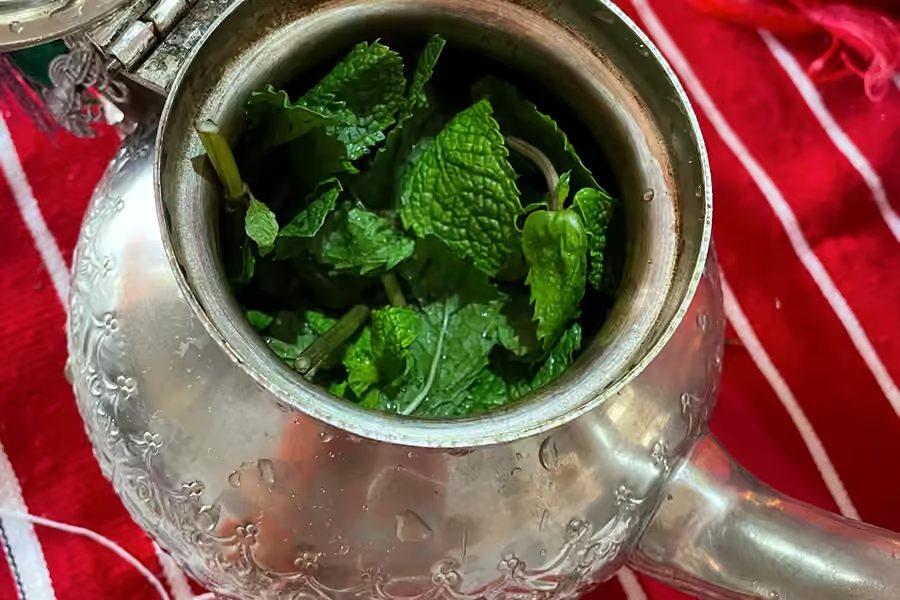
Mint tea is green gunpowder tea brewed with a large handful of fresh mint and sugar, then poured from high above the glass so it foams. It comes with every welcome, after every meal and in every shop where you sit down to bargain.
In Tangier, the classic place for a glass is Café Hafa, on the cliffs above the Strait. The tea ritual, and what it means to be offered a glass, is in our guide to Moroccan culture.
- Where
- Café Hafa, above the Strait
- Tip
- Say "shwiya sukkar" for a little sugar
Moroccan desserts
15. Chebakia, gazelle horns and other sweets
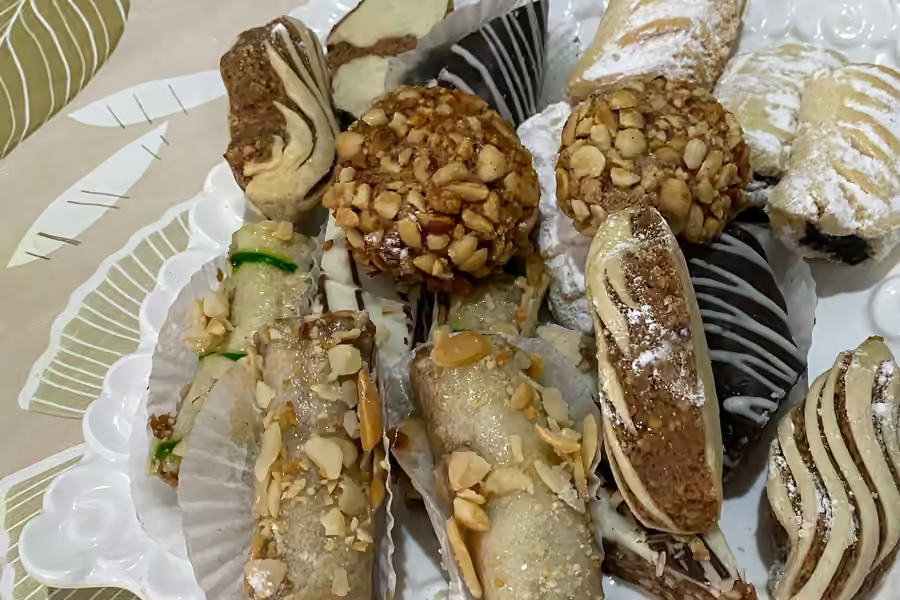
Traditional Moroccan desserts are mostly pastries served with tea. Kaab el ghazal, gazelle horns, are crescents of thin pastry filled with almond paste and orange flower water; ghriba are crumbly cookies of almond, sesame or coconut; chebakia are twisted flowers of fried dough soaked in honey and covered in sesame, made above all for Ramadan.
After a meal, the usual dessert is simpler: fresh fruit, oranges with cinnamon, or dates and nuts. Pastry shops sell by weight, so you can fill a mixed box.
- Try
- Gazelle horns with a glass of mint tea
- Where
- Pastry shops, sold by weight
If you have room
Four more things to taste
Lunch and dinner
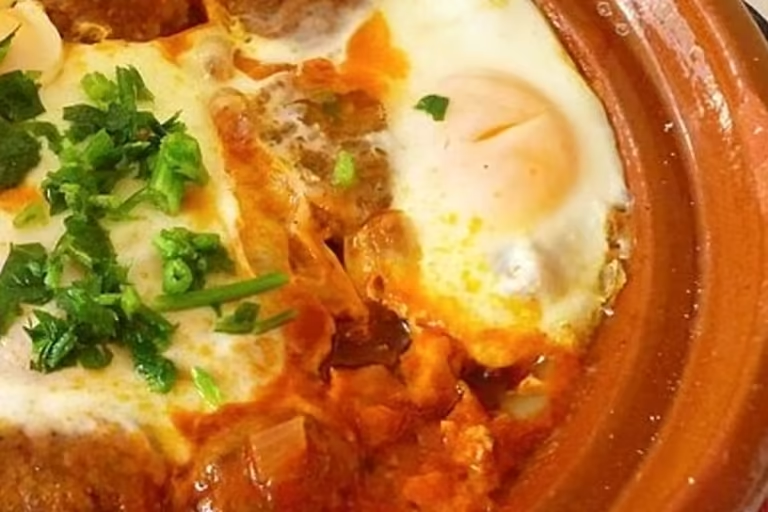
Kefta tagine with eggs
Meatballs simmered in a spiced tomato sauce, with eggs cracked in at the end. Scoop it up with bread.
Weddings and family meals
Seffa
Vermicelli or couscous steamed with butter and topped with cinnamon, icing sugar and almonds, sometimes over chicken.
Juice stalls and cafés
Fresh orange juice
Pressed in front of you all day. In winter, when the oranges are in season, it is at its best.
Markets of the north
Jben
A fresh, soft cheese of goat's or cow's milk, eaten at breakfast with olive oil and bread.
Putting it together
A day of Moroccan food in Tangier
The order our guides use, from breakfast in the medina to dinner by the port.
- 8:30
Breakfast in the medina
Msemen or bissara with bread, olive oil and a glass of mint tea, in a small café near the Petit Socco.
- 11:00
Kalinte from the tray
A warm slice with salt and cumin, from a stall in the medina.
- 13:00
Lunch: tagine, or couscous on a Friday
Cooked salads first, then a chicken tagine with preserved lemon and olives, or couscous if it is Friday.
- 17:00
Mint tea above the Strait
A glass at Café Hafa, with Spain across the water on a clear day.
- 20:00
Dinner: fish or brochettes
Grilled fish near the port, or brochettes from a grill in the medina, and a box of pastries for later.
Or taste it with a guide
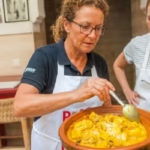 Tangier + Cooking Class6 hours · berber chef · from $95
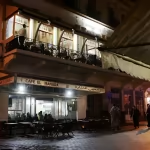 Anthony Bourdain Tour4 hrs · food & stories · from $65
Our Tangier food tour joins most of this into one walk: kalinte, bissara, bread from the community oven, a main dish and mint tea.
Your food list
Your list of dishes to try
Tap “Add to my list” under any dish. The list stays in this browser, and you can send it to a licensed guide on WhatsApp: we tell you where to taste each one in Tangier, or plan a food tour around it.
Your list is empty for now. Add dishes as you read and they will appear here.
Every dish on your list can be tasted in Tangier.
Mechoui, tanjia and rfissa are made for an occasion: tell us a day ahead and we arrange them.
Good to know
Moroccan food: your questions
What is the national dish of Morocco?
Couscous is usually called Morocco's national dish, and in 2020 UNESCO listed the knowledge and practices of this North African dish, shared by Morocco, Algeria, Tunisia and Mauritania, as intangible cultural heritage. Tagine is the other dish every visitor tries, and many Moroccans would give it the title too.
Is Moroccan food spicy?
Rarely. Moroccan food is fragrant and seldom hot: cumin, ginger, saffron, turmeric, cinnamon and paprika give flavour without heat. Chilli comes on the side, as harissa or hot peppers, so you choose how much to add.
What is a typical Moroccan breakfast?
Bread or griddle breads such as msemen and baghrir, with olive oil, olives, fresh cheese, eggs, honey or amlou, and mint tea or coffee with a fresh orange juice. In winter, many people start the day with a bowl of bissara.
What are the most famous Moroccan dishes?
Tagine, couscous, pastilla, harira and mint tea are the most famous dishes of Moroccan cuisine, followed by mechoui, tanjia and the cooked salads such as zaalouk. In Tangier, add kalinte, the warm chickpea tart sold in the streets, and fresh fish from the port.
Is street food safe to eat in Morocco?
Choose busy stalls where the food is cooked in front of you and served hot. Drink bottled water, peel fruit yourself if your stomach is sensitive, and go easy on raw salads in your first days. On our food tour, the guide picks trusted vendors with a high turnover.
Can vegetarians eat well in Morocco?
Yes. Vegetable tagine, couscous with seven vegetables, bissara, zaalouk, taktouka and the other cooked salads are all traditional, and harira can be made without meat. Ask whether a dish is cooked with meat stock, and tell us in advance for a food tour: the meat stops are replaced.
More from the journal
Keep reading
Ready when you are
Taste Tangier with a licensed guide
Tell us your dates and the dishes you want to try. A licensed guide replies within 12 hours with a plan and an exact price, and there is nothing to pay in advance.
- No prepayment
- Free cancellation 48h before
- Reply within 12 hours
Photos: Tour Guide Tangier, except the pastilla (Nazihoviç, CC BY-SA 4.0), the harira (Emna Mizouni, CC BY-SA 4.0) and the grilled sardines (wonker, CC BY 2.0), via Wikimedia Commons, cropped.