The Tangier JournalWritten by licensed guides
When to go · Weather, seasons and festivals
Best Time to Visit Morocco: Month by Month
The best time to visit Morocco depends on where you go: the north, the imperial cities, the Atlas Mountains or the Sahara. Licensed guides who travel these roads in every season explain the weather month by month, region by region, with the tours that suit each time of year.
In this article 15 sections
In short
The best time to visit Morocco, in short
The best time to visit Morocco is spring, from March to May, and autumn, from September to November. Temperatures are warm and the weather is dry across Morocco, so you can see the imperial cities, the Atlas Mountains and the Sahara desert on one trip. Summer is very hot inland but perfect in Tangier, the north and on the coast; winter brings sunny days in the south, snow on the Atlas and quiet medinas.
- 01Tangier and the northApril to October
- 02Chefchaouen and the RifMarch to June, September to November
- 03Fes and the imperial citiesMarch to May, September to November
- 04MarrakechMarch to May, October to December
- 05The Atlas MountainsApril to October
- 06The SaharaOctober to April
- 07Essaouira and the AtlanticAll year; June for the Gnaoua festival
The best months for each region are listed above. Below, the months one by one, with the tours that suit each season.
Morocco is a big country with very different climates: the Mediterranean north, the long Atlantic coast, the Atlas Mountains above 4,000 metres and the Sahara desert, and on the same day temperatures can differ by more than 15°C between the coast and the desert. The best time to visit Morocco depends on where you want to go and what you want to do: a cool week in the north, a trek in the mountains, or a night in the dunes.
Our guides travel these roads in every month of the year, starting from Tangier, and plan each trip around the season. This is what each month is like, the best season for each region, and the festivals and holidays that are worth planning a trip around.
The best season
Spring in Morocco: March, April and May
Spring is the best time to visit Morocco for a first trip: warm temperatures everywhere, green hills in the north and snow still on the peaks of the High Atlas.
- March
Almond blossom and green hills
Temperatures of about 20°C in Fes and Marrakech, cool nights, green fields in the Rif and almond trees in flower in the south. A good month for the cities and the desert before the crowds.
- April
The sweet spot
Warm, dry days across the country, wild flowers in the mountains and the Rif at its greenest: the best month for a first tour from Tangier to the Sahara. Easter holidays make it busier, so book early.
- May
Roses and long days
The rose harvest in the Dades Valley, with the Rose Festival at Kelaat M'Gouna, and warm evenings on the coast. The desert gets hot by the end of the month.
Tours for this season
The hot season
Summer in Morocco: June, July and August
Summer in Morocco is hot inland and lovely in the north and on the coast: temperatures in Tangier, Asilah and on the beaches stay around 25 to 30°C, with a breeze from the sea.
- June
Festivals and long evenings
The Gnaoua World Music Festival fills Essaouira, the north is sunny and warm, and the inland cities are hot by midday. Start early and rest in the afternoon.
- July
The coast and the north
Marrakech and Fes pass 35°C and the Sahara 40°C, so spend July in Tangier, Chefchaouen, Tetouan and Asilah, with beaches on two seas. Moroccans living abroad come home during the summer, and the northern ports and roads are busy.
- August
Beaches and cool mountains
The hottest month inland, with temperatures above 35°C, and the busiest on the beaches. The High Atlas and the Rif are cooler; the desert is too hot for most visitors.
Tours for this season
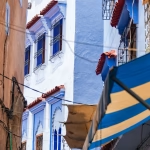 Northern Morocco Loop3 days / 2 nights
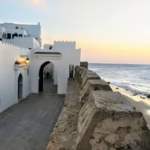 Tangier & Asilah Private Tour6–7 hrs · art & coast lovers · from $100
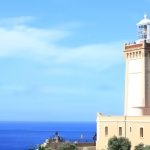 Tangier Full Day Tour6–7 hrs · first-time visitors · from $65
Coming by sea? See the ships that call in Tangier on our Tangier cruise port page.
The second best season
Autumn in Morocco: September, October and November
Autumn is the other best time to visit Morocco: the heat breaks, the sea is still warm and the desert experience is at its best again.
- September
Warm sea, quieter roads
Still hot inland at the start of the month, lovely on the coast with the sea at its warmest. The Imilchil marriage festival usually takes place in the High Atlas in late August or September.
- October
The best month for the Sahara
Warm days and cool nights in the desert, the date harvest and the date festival at Erfoud, and easy walking weather in Fes and Marrakech.
- November
Golden light, fewer crowds
Mild days, the first rain in the north and cold nights in the desert and the mountains. The Marrakech International Film Festival usually opens in late November or early December.
Tours for this season
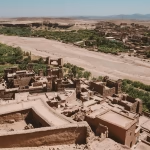
The quiet season
Winter in Morocco: December, January and February
Winter in Morocco is sunny in the south and wetter in the north: quiet medinas, bright days in the desert and snow on the Atlas Mountains. Pack warm layers for the evenings.
- December
Sun in the south
Around 18 to 20°C by day in Marrakech and the desert, close to freezing at night. Christmas and New Year are busy in Marrakech and the desert camps, so book ahead.
- January
The quietest month
The coolest month, with rain on some days in Tangier and the north and snow on the High Atlas and around Ifrane, with skiing at Oukaimeden when there is enough. A time for museums, hammams, cooking classes and tagines by the fire.
- February
Almond blossom
The almond trees flower in the south and the days warm up again. In 2027 Ramadan is expected to begin around 8 February.
Tours for this season
Region by region
Morocco's climate by region
Morocco's climate changes with the region as much as with the season. These are the best months to travel to the places most visitors see, from the north to the Sahara desert, with the temperatures to expect during the year.
The Strait of Gibraltar
1. Tangier and the north coast
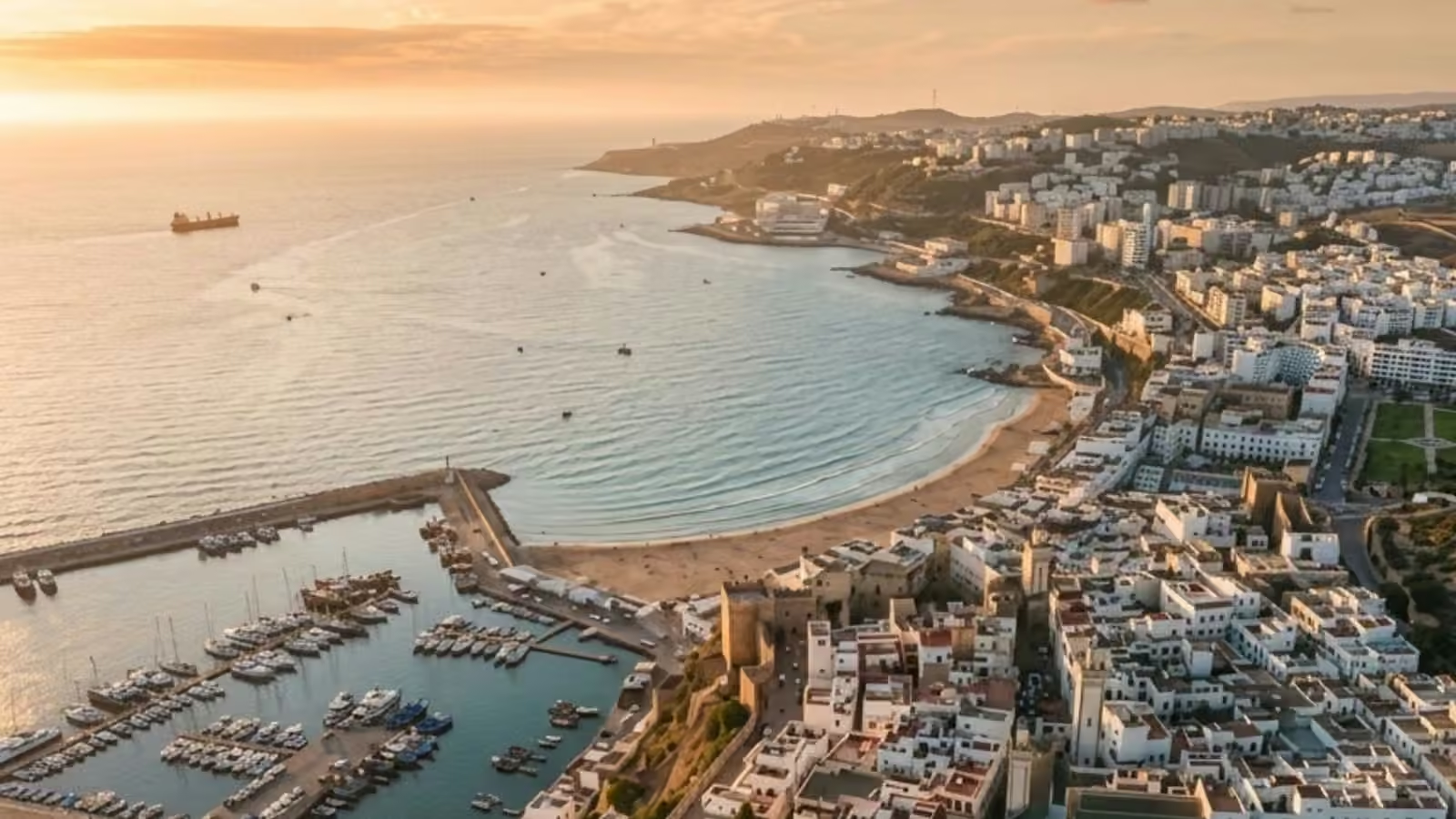
Tangier has a mild Mediterranean climate: about 16°C by day in winter and 28°C in summer, with a sea breeze that keeps July and August comfortable. Most of the rain falls between November and March, so from April to October it is mostly sunny.
That makes the north the best summer destination in Morocco: Tangier, Tetouan and Asilah, and the beaches on the Mediterranean and the Atlantic. Cruise ships call most of the year, and a day in Tangier works in every season.
- Best time
- April to October
- Weather
- Mild winters, warm summers with a sea breeze
The blue town
2. Chefchaouen and the Rif Mountains
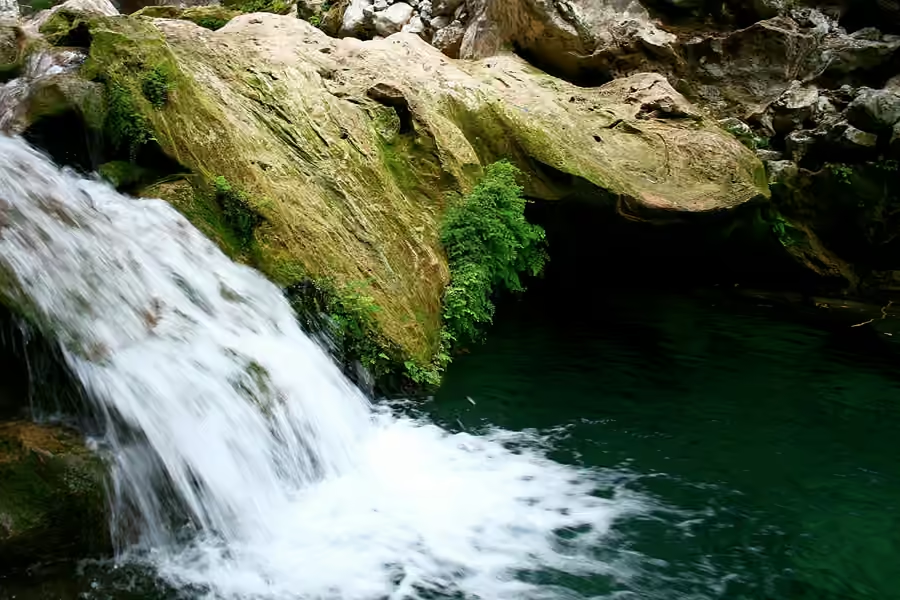
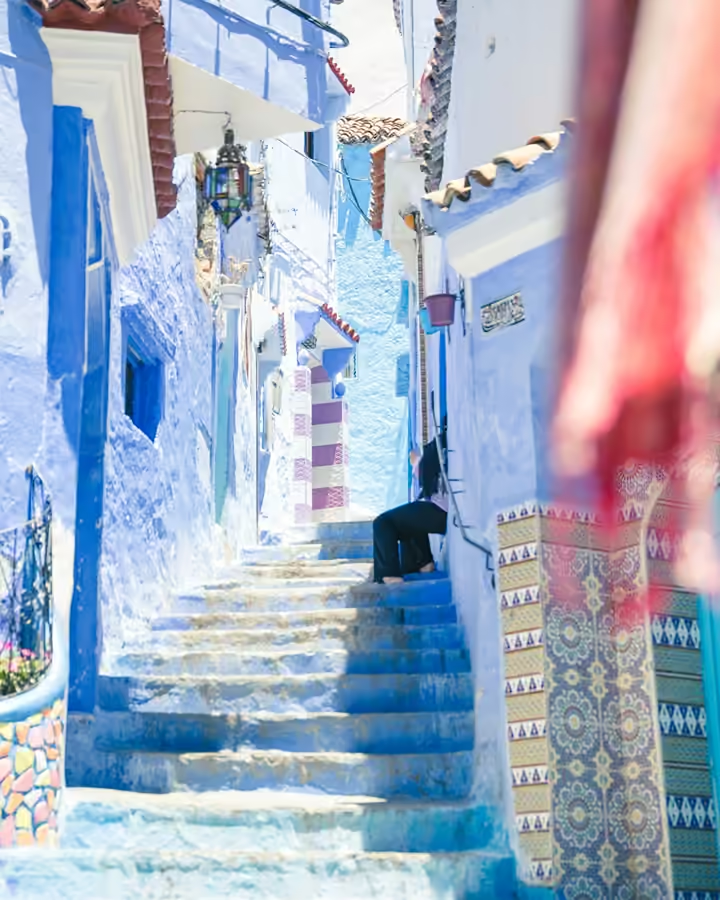
Chefchaouen sits at about 600 metres in the Rif, so it is cooler than the coast. Spring is its best season: green hills, full waterfalls at Akchour and warm afternoons in the blue lanes. Autumn is almost as good.
Summer days are warm, and a good time to swim in the river pools at Akchour. Winter is cold and wet, with snow on the peaks some years, but the town is quiet and very beautiful after the rain.
- Best time
- March to June, September to November
- Weather
- Cool nights, green in spring, wet in winter
Fes, Meknes, Rabat
3. Fes and the imperial cities
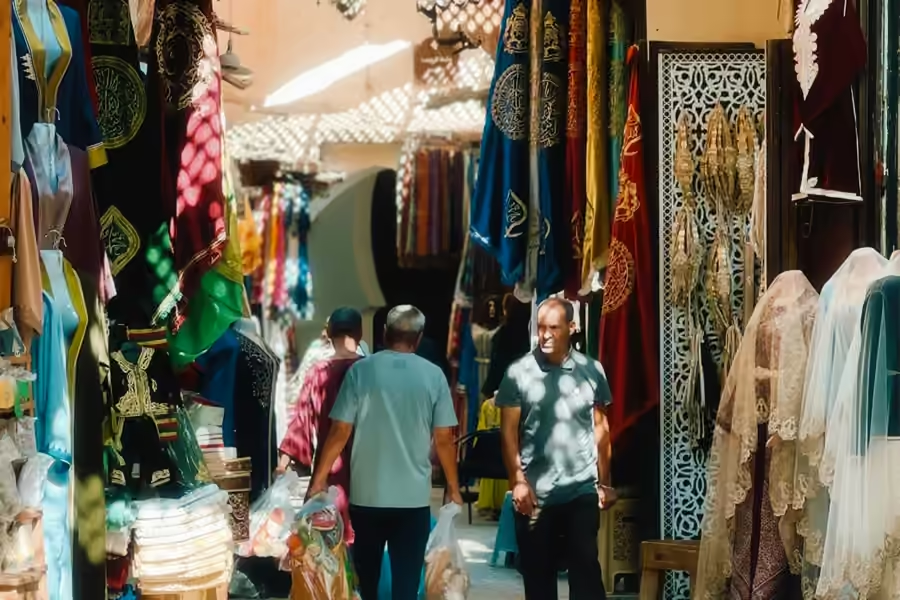
Fes and Meknes lie inland, so they have hot summers, often above 35°C in July and August, and cool, sometimes rainy winters with cold nights. Spring and autumn are ideal for long walks in the medina, a real cultural experience, and a day at Volubilis.
Rabat and Casablanca, on the Atlantic, are milder all year and easy to visit in any season.
- Best time
- March to May, September to November
- Weather
- Hot summers, cool winters inland
The red city
4. Marrakech (Marrakesh)
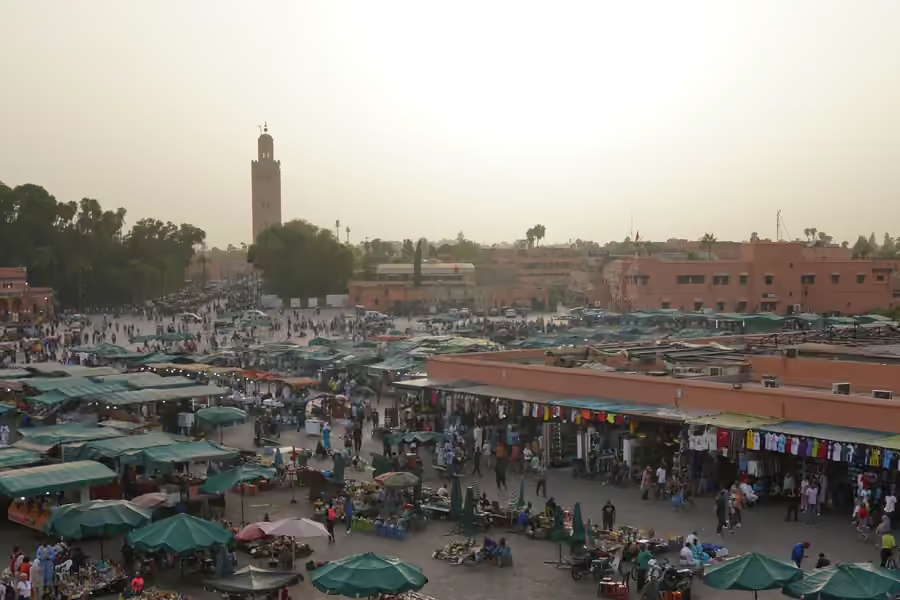
Marrakech is at its best in spring and autumn, with days of 22 to 30°C. Winter is a good choice too: sunny days of about 18 to 20°C, cold nights, and the snowy High Atlas on the horizon.
In July and August the city often passes 37°C. If summer is your only time, visit the sights early, rest in a riad in the afternoon and go out again in the evening, when Jemaa el-Fna comes to life.
- Best time
- March to May, October to December
- Weather
- Very hot summers, sunny winters
Peaks and valleys
5. The High Atlas Mountains
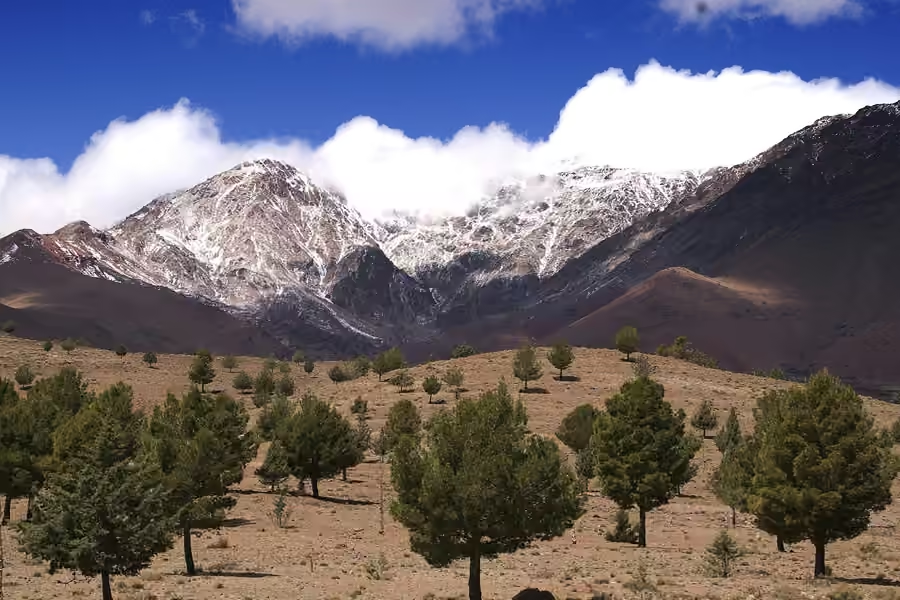
The High Atlas is the place to escape the summer heat, and the best time for hiking is from April to October. Toubkal, the highest peak in North Africa, is usually climbed from May to October without snow gear.
From December to March the peaks are white. The villages and valleys are beautiful, but snow can close the high passes, such as the Tizi n'Tichka road between Marrakech and Ouarzazate, for a few hours or days.
- Best time
- April to October
- Weather
- Cool summers, snow in winter
Merzouga and Erg Chebbi
6. The Sahara desert
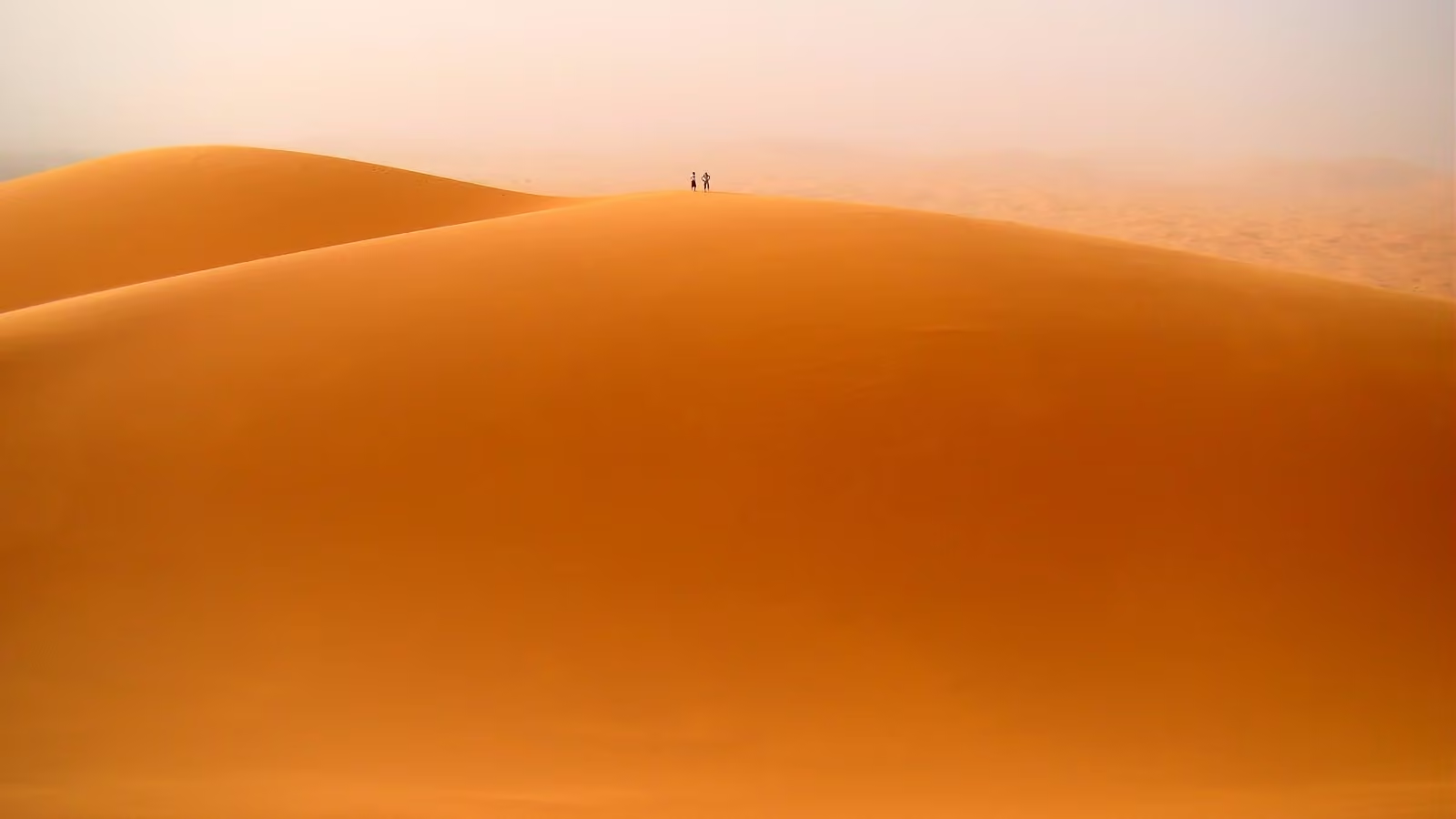
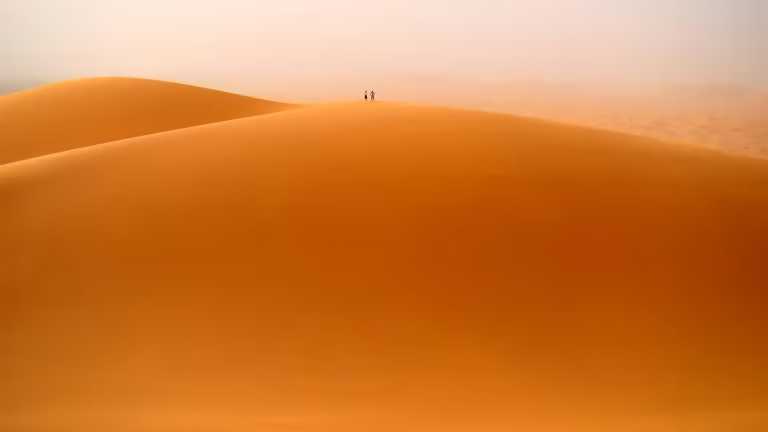
The best time to visit the Sahara in Morocco is from October to April. Days are warm and sunny, and the desert experience, a camel ride at sunset and a night in a camp, is at its best. From December to February the nights are close to freezing, so bring a warm layer.
Spring can bring windy days and some sand in the air. From June to August the dunes pass 40°C, too hot for most visitors.
- Best time
- October to April
- Weather
- Warm days, cold winter nights, very hot summers
The windy city
7. Essaouira and the Atlantic coast
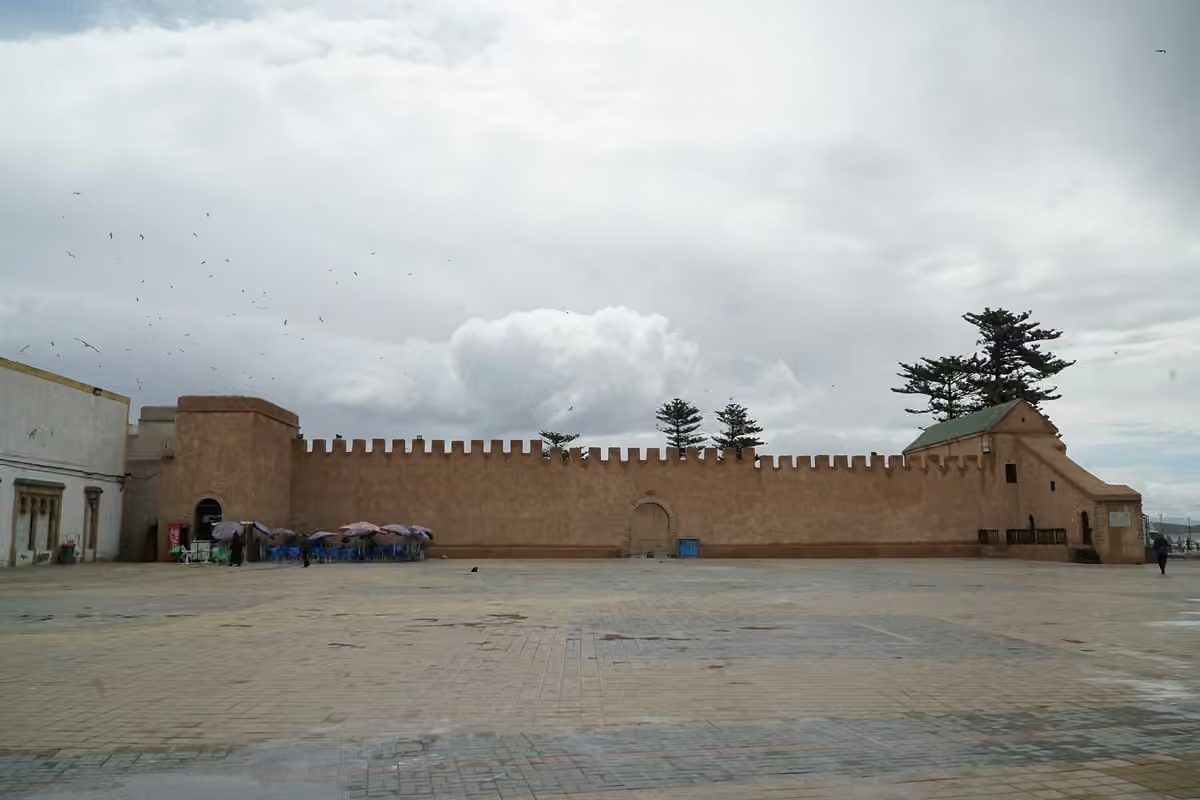
The Atlantic coast is pleasant all year. In Essaouira the trade winds keep summer days around 22 to 25°C, perfect for kitesurfing and windsurfing, and the Gnaoua festival fills the town in June.
Winter is mild and sunny, with cooler water, and a good season for surfers further south.
- Best time
- All year; June for the Gnaoua festival
- Weather
- Mild, windy summers
Plan around them
Ramadan, holidays and festivals
Expected from around 8 February 2027
Ramadan
A month of fasting from dawn to sunset. Sights, hotels and tourist restaurants stay open; many local cafés close during the day, and the evenings are lively after sunset.
Family holidays
Eid al-Fitr and Eid al-Adha
The end of Ramadan, and the feast about ten weeks later. Some shops close for a day or two and buses, trains and ferries are busy.
Kelaat M'Gouna, in May
Rose Festival
The rose harvest in the Dades Valley, with music, dancing and a parade.
Fes, usually late May or June
Festival of World Sacred Music
Sufi, Andalusian and sacred music from around the world, in the gardens and palaces of Fes.
Essaouira, in June
Gnaoua World Music Festival
Gnawa masters play with musicians from around the world on stages by the sea.
Erfoud, in October
Date Festival
The date harvest on the road to the Sahara, with markets and folk music.
Good to know
When to visit Morocco: your questions
What is the best month to visit Morocco?
April and October. Both months are warm and dry across the country, from Tangier and Fes to the Sahara desert, without the summer heat.
When is the rainy season in Morocco?
From November to March, mostly in the north and on the Atlantic coast; Tangier and Chefchaouen get most of their rain then. The south and the Sahara are dry almost all year.
Is it too hot to visit Morocco in summer?
Inland, it is for many people: Marrakech and Fes often pass 35°C in July and August and the desert 40°C. The north and the coast stay pleasant, so a summer trip works well from Tangier, Chefchaouen, Tetouan and Asilah.
When is the best time to visit the Sahara in Morocco?
From October to April. The days are warm and sunny; from December to February the nights in the desert are close to freezing, so bring a warm layer. In summer the dunes are too hot for most visitors.
Is it a good idea to visit Morocco during Ramadan?
Yes, with a little planning. Sights, hotels and tourist restaurants stay open, and the evenings are festive. Many local cafés close during the day, and it is polite not to eat or drink in the street while people are fasting.
What is the weather like in Tangier?
Mild all year: about 16°C by day in winter and 28°C in summer, with a sea breeze. Most of the rain falls between November and March; from April to October it is mostly sunny.
More from the journal
Keep reading
Ready when you are
Plan your trip for the right season
Tell us when you can travel and what you would like to see. A licensed guide replies within 12 hours with the best route for your dates and an exact price.
- Private tours for your group
- No deposit for day tours
- Reply within 12 hours
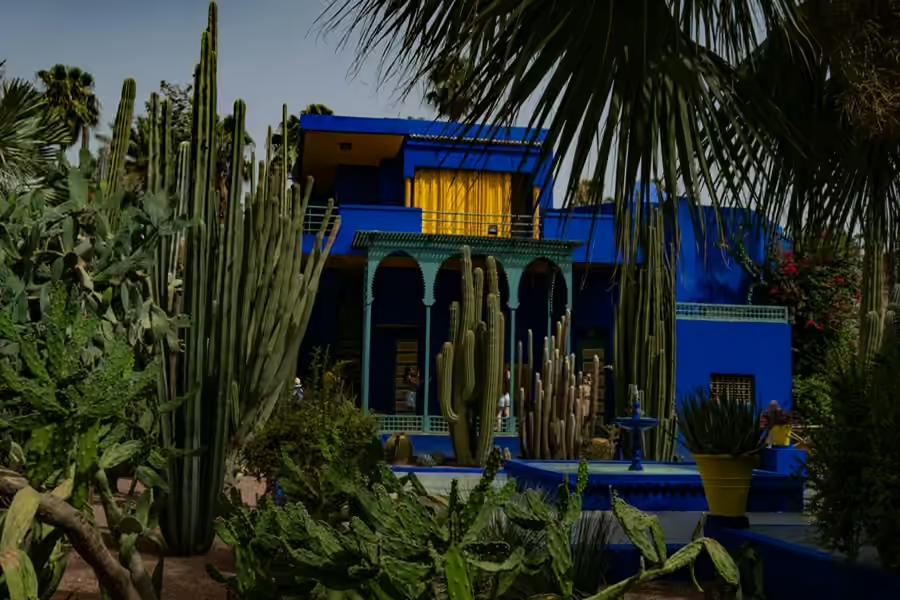
Photos: Tour Guide Tangier, except the Jardin Majorelle (Riccardo Monteleone, via Unsplash), the Fes souk (karim Ouakkaha) and Jemaa el-Fna (Mahmut Yilmaz), via Pexels, and via Wikimedia Commons: Akchour (Walter Rodriguez, CC BY-SA 2.0), the High Atlas (Michal Osmenda, CC BY-SA 2.0), Erg Chebbi (Bjørn Christian Tørrissen, CC BY-SA 3.0) and Essaouira (Adam Harangozó, CC BY-SA 4.0).